Academic Journal
Q1Aging Cell
About Aging Cell
Aging Cell is a scholarly journal published by Wiley-Blackwell Publishing Ltd. SCImago 2025 places it in Q1 with an SJR of 2.881 and an H-index of 191.
Its listed coverage is 2002-2026 and its research categories include Aging (Q1); Cell Biology (Q1). The 2025 dataset reports 407 documents and 6170 citations across the latest three-year reporting window.
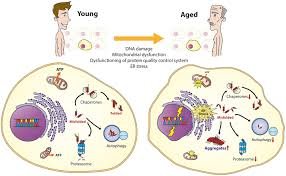
Aging is a natural biological process, and at the heart of it lies the behavior of aging cells. Also known as senescent cells, these aging cells stop dividing and begin to deteriorate over time. While this may seem like a simple part of getting older, the process of cellular aging plays a key role in the overall aging of the human body—and it's a hot topic in modern health and longevity research.
What Are Aging Cells?
Aging cells are cells that have permanently stopped dividing but do not die off. This condition is called cellular senescence. While it can be a protective mechanism against cancer (by preventing damaged cells from reproducing), it can also cause harm when too many senescent cells accumulate in the body.
Over time, these cells release harmful substances like inflammatory molecules, growth factors, and enzymes. This mix, known as the senescence-associated secretory phenotype (SASP), can damage surrounding healthy cells, tissues, and even contribute to age-related diseases such as arthritis, heart disease, and Alzheimer’s.
Causes of Cellular Aging
Several factors can cause a cell to become senescent:
-
DNA damage from radiation, toxins, or oxidative stress.
-
Telomere shortening, the gradual loss of protective caps at the ends of chromosomes during each cell division.
-
Oncogene activation, which can signal a cell to stop dividing.
-
Chronic inflammation and environmental stress.
Each of these triggers can push a healthy cell into senescence, starting a chain reaction that affects nearby tissues.
The Role of Senescent Cells in Aging and Disease
As we age, the number of senescent cells in our bodies increases. Unlike healthy cells that divide and renew, senescent cells linger and promote inflammation. This can lead to:
-
Tissue dysfunction
-
Slower wound healing
-
Weakened immune system
-
Higher risk of chronic diseases
Moreover, recent studies have shown that clearing these senescent cells can improve health and potentially extend lifespan in laboratory animals. This discovery has sparked hope in the anti-aging research community.
New Frontiers: Anti-Aging Therapies and Senolytics
Scientists are actively exploring ways to combat the negative effects of cellular aging. One promising area is senolytic drugs—compounds designed to selectively remove senescent cells from the body. Early trials have shown improvements in physical function, skin health, and even cognitive abilities.
In addition, lifestyle choices play a critical role in slowing down cellular aging. Regular exercise, a healthy diet rich in antioxidants, quality sleep, and stress management can reduce cellular stress and delay senescence.
Journal Metrics
Metrics can change by reporting year. Verify time-sensitive values with the publisher or indexing service.
Aims & Scope
Aging Cell is a leading peer-reviewed scientific journal that plays a pivotal role in the field of gerontology, specifically focusing on the mechanisms of aging at the cellular and molecular levels. Established as an authoritative source of high-impact research, Aging Cell provides a comprehensive platform for scientists exploring the complex biological processes that drive aging and age-related diseases.
Understanding the Scope of Aging Cell
The journal’s primary objective is to publish groundbreaking research that enhances our understanding of the aging process and helps identify potential interventions to promote healthy aging. The scope of Aging Cell includes, but is not limited to:
-
Cellular senescence
-
Mitochondrial dysfunction
-
Genomic instability
-
Epigenetic alterations
-
Loss of proteostasis
-
Nutrient sensing
-
Stem cell exhaustion
-
Inflammation and immune aging
By addressing these core aspects of aging biology, Aging Cell seeks to bridge the gap between basic science and clinical applications.
Target Audience
Aging Cell targets a wide range of readers in the scientific and medical communities, including researchers, academic professionals, and pharmaceutical companies. It also attracts policy makers and biotechnologists working in the fields of regenerative medicine, anti-aging therapies, and biogerontology.
Types of Articles Published
The journal publishes a variety of article types such as:
-
Original Research Articles
-
Reviews and Mini-Reviews
-
Editorials and Commentaries
-
Perspective Articles
-
Methodological Papers
Each article is rigorously peer-reviewed to maintain scientific integrity and relevance.
Why Aging Cell Stands Out
What makes Aging Cell stand out is its commitment to publishing high-quality, innovative research that significantly contributes to the field of aging. It is affiliated with the Anatomical Society and is published by Wiley, adding to its credibility and scholarly impact. The journal also boasts a strong impact factor, reflecting the quality and citation potential of its published work.
Contribution to Science and Society
Research featured in Aging Cell has the potential to revolutionize the way we understand aging. Studies published in the journal often lead to novel approaches in delaying aging, enhancing longevity, and preventing age-associated diseases like Alzheimer’s, Parkinson’s, cancer, and cardiovascular disorders.
The insights gained from these studies are critical not just for the elderly population but for designing public health strategies and personalized medicine approaches aimed at improving life quality in older adults.
Recent Research Articles
Latest publications matched automatically by ISSN.
3D Culture Reverses Limbal Niche Cell Replicative Aging via FOSL1 Upregulation
Xuying Wang, Shen Li, Zibin Liu, Xinghan Guo et al.
2026-09 · DOI: 10.1111/acel.70705Insights Into the Interplay Between the Senescent Cells and Immune Cells
Martin Jaros, Marco Schmidt, Lavinia Neubert, Jan‐Christopher Kamp et al.
2026-09 · DOI: 10.1111/acel.70698Growth Hormone Receptor Antagonism Extends Lifespan
Edward O. List, Darlene E. Berryman, Grace S. Lach, Delaney F. Minto et al.
2026-09 · DOI: 10.1111/acel.70697Twisting the End Game: How Telomere Chromatin Modifications Shape Telomere Maintenance
Jie Wang, Yuehui Su, Chao Chen, Yueying Li et al.
2026-09 · DOI: 10.1111/acel.70694Muscle‐Specific Upregulation of Timeless Mediates Exercise‐Induced Amelioration of Age‐Related Circadian Rhythm Disruption and Cardiac Dysfunction in Drosophila
Deng‐tai Wen, Shouzhi Lv, Jing‐yao Sun, Ying‐qi Chen et al.
2026-09 · DOI: 10.1111/acel.70708Midlife Growth Hormone Receptor Ablation Extends Healthy Lifespan and Induces Sex‐Specific Hepatic Transcriptional Changes at Single‐Cell Resolution
Silvana Duran‐Ortiz, Edward O. List, Jonathan A. Young, Yuji Ikeno et al.
2026-09 · DOI: 10.1111/acel.70695Akkermansia muciniphila and Its Bioactive Derivatives: Emerging Regulators of Healthy Aging
Ting Zhang, Jinyuan Niu, Xiaoyu Hu, Zhiang Hu et al.
2026-09 · DOI: 10.1111/acel.70702Tissue‐Level Transcriptomic Entropy Reveals Organ‐Specific Aging Patterns and Predicts Cancer Progression
Gabriel Arantes dos Santos, José Pedro Castro, Gabriela D. A. Guardia, Filipe F. dos Santos et al.
2026-09 · DOI: 10.1111/acel.70696Secreted Frizzled‐Related Protein 2 ( SFRP2 ) Induces Follistatin‐Like 1 ( FSTL1 ) to Regulate Dihydrotestosterone ( DHT )‐Induced Dermal Papilla Cell Mitochondrial Dysfunction and Senescence
Youming Huang, Qiong Bian, Yeyu Shen, Xiaoxia Ding et al.
2026-09 · DOI: 10.1111/acel.70666In Vivo Base Editing Partially Rescues Bone Dysplasia in a Mouse Model of Hutchinson‐Gilford Progeria Syndrome
Wayne A. Cabral, Caleb M. Grenko, Diana Yeritsyan, Indeevar Beeram et al.
2026-09 · DOI: 10.1111/acel.70700Integrative Analysis Uncover the Effects and Multi‐Omics Features of Thigh Muscle Fat Infiltration
Yiwei Zhang, Qin Dang, Xizeng Zong, Haowei Chen et al.
2026-09 · DOI: 10.1111/acel.70690SIRT1 Silences L1 Retrotransposons by Stabilizing Heterochromatin‐Modifying Complexes
Xiaona Wang, Tianbo Li, Huanyin Tang, Meng Xiao Liu et al.
2026-09 · DOI: 10.1111/acel.70689Higher Frontal Cortex Angiotensin Type 2 Receptor‐Interacting Protein ( ATIP ) Levels Are Associated With a Lower Amyloid‐Beta Burden in Postmortem Brains of Older Adults With Alzheimer's Disease
Caglar Cosarderelioglu, Simion Kreimer, Alma I. Plaza‐Rodriguez, Pablo A. Iglesias et al.
2026-09 · DOI: 10.1111/acel.70686Oxygenaging: A Physiological Framework for Geroscience
Stefano Donega, Kenneth W. Fishbein, Paolo Dominelli, Allison B. Herman et al.
2026-09 · DOI: 10.1111/acel.70664Shelterin TPP 1 Promotes Hair Regeneration Through Activating Bulge Hair Follicle Stem Cells
Lihui Wang, Bihan Zhao, Jiahui Yang, Ying Liang et al.
2026-09 · DOI: 10.1111/acel.70692A Mechanism‐Based Framework for Anti‐Aging Strategies: From Metabolic Regulation to Senotherapy and Stem Cell‐Based Interventions
Feifei Li, Yankai Wang, Gelin Wang, Jiguo Chen et al.
2026-09 · DOI: 10.1111/acel.70658Associations Between Accelerometer‐Assessed Sleep Patterns, Proteomic Signatures, and Hallmarks of Aging in Adulthood
Ruiyi Liu, Jingsong Luo, Yangchang Zhang, Furong Wang et al.
2026-09 · DOI: 10.1111/acel.70685Timing‐Dependent Clearance of p16‐Positive Cells Mitigates Radiation‐Induced Accelerated Aging
Karla Valdivieso, Melanie Weigand, Daniela G. Costa, Gung Lee et al.
2026-09 · DOI: 10.1111/acel.70693DHCR24 Alleviates DNA Damage in Senescent Vascular Endothelial Cells via ENKUR /Ca 2+ Signaling
Han Li, Zhen Yang, Wukaiyang Liang, Jie Huang et al.
2026-09 · DOI: 10.1111/acel.70688Reviews
Community Reviews
Version History
April 23, 2025 at 12:24 pm
April 23, 2025