Academic Journal
Q1Cell Stem Cell
About Cell Stem Cell
Cell Stem Cell is a scholarly journal published by Cell Press. SCImago 2025 places it in Q1 with an SJR of 12.003 and an H-index of 329.
Its listed coverage is 2007-2026 and its research categories include Cell Biology (Q1); Genetics (Q1); Molecular Medicine (Q1). The 2025 dataset reports 167 documents and 7077 citations across the latest three-year reporting window.
Stem cell research is revolutionizing the field of regenerative medicine, offering groundbreaking solutions for treating chronic diseases, repairing damaged tissues, and even reversing aging processes. Cell Stem Cell plays a crucial role in modern medical advancements, with scientists exploring its potential for curing ailments like cancer, neurological disorders, and organ failure. This article provides an in-depth look into stem cells, their types, applications, and future prospects.
What Are Stem Cells?
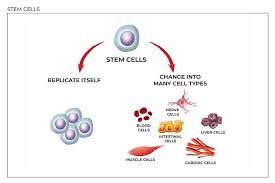
Stem cells are undifferentiated cells with the ability to develop into specialized cell types. They serve as the body's natural repair system, regenerating tissues and maintaining overall health. Unlike regular cells, stem cells can self-renew and transform into different types of cells, making them valuable for medical treatments.
Types of Stem Cells
Stem cells are categorized based on their source and differentiation potential:
-
Embryonic Stem Cells (ESCs):
-
Derived from early-stage embryos
-
Pluripotent – can transform into any cell type
-
Used for research but face ethical concerns
-
-
Adult Stem Cells (ASCs):
-
Found in tissues like bone marrow and brain
-
Multipotent – limited to certain cell types
-
Commonly used for organ repair and transplantation
-
-
Induced Pluripotent Stem Cells (iPSCs):
-
Created by reprogramming adult cells into a pluripotent state
-
Avoids ethical issues associated with embryonic stem cells
-
Holds promise for personalized medicine
-
-
Mesenchymal Stem Cells (MSCs):
-
Found in bone marrow, fat, and umbilical cord tissues
-
Used for tissue regeneration and immune system modulation
-
Commonly applied in orthopedic and cardiovascular treatments
-
Applications of Stem Cells in Medicine
Stem cell therapy is transforming healthcare by providing innovative treatments for numerous conditions:
✔ Regenerative Medicine: Repairs damaged tissues in the heart, liver, and nervous system.
✔ Neurological Disorders: Potential treatment for Alzheimer’s, Parkinson’s, and multiple sclerosis.
✔ Cancer Treatment: Used in bone marrow transplants for leukemia and lymphoma.
✔ Diabetes Management: Helps regenerate insulin-producing pancreatic cells.
✔ Drug Development: Used for testing new medications and reducing reliance on animal trials.
Challenges and Ethical Considerations
Despite their vast potential, stem cell research faces several challenges:
🔹 Ethical Issues: The use of embryonic stem cells is controversial due to concerns over human embryo destruction.
🔹 Rejection Risks: Transplanted stem cells may be rejected by the immune system.
🔹 Tumor Formation: Some stem cells have been linked to tumor growth, requiring further research.
🔹 High Costs: Stem cell treatments remain expensive and inaccessible to many patients.
Future of Cell Stem Cell Research
With advancements in biotechnology and gene editing techniques like CRISPR, the future of stem cell therapy looks promising. Scientists are working on improving stem cell transplantation, reducing risks, and developing lab-grown organs to address donor shortages. In the coming years, personalized stem cell therapies could revolutionize medicine, offering customized treatments based on a patient’s genetic makeup.
Journal Metrics
Metrics can change by reporting year. Verify time-sensitive values with the publisher or indexing service.
Aims & Scope
Stem cell research is transforming modern medicine, offering revolutionary solutions for treating chronic diseases, repairing damaged tissues, and even regenerating organs. The scope of Cell Stem Cell extends across multiple medical fields, including regenerative medicine, biotechnology, and personalized healthcare. With advancements in gene editing, tissue engineering, and stem cell therapy, this area of research is paving the way for groundbreaking treatments that could change the future of medicine.
Understanding Stem Cells and Their Potential
Stem cells are undifferentiated cells with the unique ability to self-renew and develop into specialized cell types. These properties make them invaluable for tissue repair, disease treatment, and medical research. Scientists are exploring various ways to utilize stem cells for regenerating organs, treating neurodegenerative disorders, and even reversing aging-related damage.
Types of Stem Cells and Their Applications
The scope of Cell Stem Cell research covers multiple stem cell types, each with distinct potential:
1. Embryonic Stem Cells (ESCs)
-
Pluripotent: Can develop into any cell type
-
Used in disease modeling, drug testing, and regenerative medicine
-
Ethical concerns limit their widespread application
2. Adult Stem Cells (ASCs)
-
Found in tissues like bone marrow, brain, and muscles
-
Used in bone marrow transplants, organ repair, and immune system support
-
Less controversial but limited in differentiation potential
3. Induced Pluripotent Stem Cells (iPSCs)
-
Reprogrammed from adult cells to behave like embryonic stem cells
-
Used for personalized medicine, genetic disease research, and drug discovery
-
Overcomes ethical issues related to embryonic stem cells
4. Mesenchymal Stem Cells (MSCs)
-
Found in bone marrow, fat tissue, and umbilical cord blood
-
Used for cartilage repair, cardiovascular treatments, and autoimmune disease therapy
-
Plays a key role in anti-inflammatory and immune-modulating therapies
Expanding Scope in Medicine and Biotechnology
Stem cell research is expanding across multiple medical disciplines, offering promising solutions for various health conditions:
✔ Regenerative Medicine: Stem cells help regenerate damaged tissues, treating conditions like spinal cord injuries, liver disease, and heart failure.
✔ Neurodegenerative Disorders: Potential treatment for Alzheimer’s, Parkinson’s, and multiple sclerosis.
✔ Cancer Therapy: Used in bone marrow transplants for leukemia, lymphoma, and other blood disorders.
✔ Diabetes Treatment: Research focuses on developing insulin-producing pancreatic cells for diabetes patients.
✔ Organ Transplantation: Scientists are exploring lab-grown organs and bioengineered tissues to address donor shortages.
Challenges and Ethical Considerations
Despite its immense potential, the scope of Cell Stem Cell research faces several challenges:
🔹 Ethical Concerns: The use of embryonic stem cells remains controversial.
🔹 Immune Rejection: Transplanted stem cells may be rejected by the patient’s immune system.
🔹 Tumor Risks: Unregulated stem cell growth could lead to tumor formation.
🔹 High Costs: Stem cell therapies are expensive and not yet widely accessible.
To overcome these challenges, researchers are focusing on advanced gene-editing techniques like CRISPR, improving cell culture methods, and developing more effective stem cell therapies.
Future Prospects of Cell Stem Cell Research
The future of stem cell research is promising, with scientists working on:
-
Personalized Stem Cell Therapies tailored to individual patients
-
3D Bioprinting and Artificial Organs to replace damaged tissues
-
Gene-Edited Stem Cells to prevent hereditary diseases
-
Anti-Aging Stem Cell Treatments to combat age-related degeneration
As technological advancements continue, stem cell therapy may soon become a mainstream treatment option, transforming healthcare on a global scale.
Recent Research Articles
Latest publications matched automatically by ISSN.
Reviews
Community Reviews
Version History
April 14, 2025 at 12:02 pm
March 23, 2025