Academic Journal
Q1Gastroenterology
About Gastroenterology
Gastroenterology: Journal Overview
Gastroenterology is the flagship scientific journal of the American Gastroenterological Association (AGA), published by Elsevier Inc. on behalf of the AGA Institute. The AGA itself describes the journal as "the official journal of the AGA Institute" and "the most prominent scientific journal in the specialty," ranked "in the top 1 percent of indexed medical journals internationally" (source: AGA press materials on gastro.org, accessed October 2026).
The journal is a broad-scope, monthly publication covering clinical, translational, and basic research across the entire digestive system — including the liver and pancreas — as well as nutrition. According to Elsevier's journal page, Gastroenterology "delivers authoritative coverage of clinical, translational, and basic studies of all aspects of the digestive system" (source: sciencedirect.com/journal/gastroenterology, accessed October 2026).
Gastroenterology holds the field's highest citation metrics: the journal received a 2024 Journal Impact Factor of 25.9 and a CiteScore of 39.5, according to AGA's official 2026 editor-in-chief recruitment notice (source: AGA RFA for Gastroenterology Editor-in-Chief, accessed October 2026). Beyond original research, the journal is the official home of AGA's clinical practice guidelines and clinical practice updates — documents that shape day-to-day gastroenterology practice worldwide and rank among the most-cited items the journal publishes.
Published since 1943, the journal is one of the oldest and most established titles in gastrointestinal and liver diseases. It appears monthly in print (ISSN 0016-5085) and online (ISSN 1528-0012).
History of Gastroenterology
Gastroenterology was launched in 1943 as the scientific journal of the American Gastroenterological Association, which itself was founded in 1897 and today represents more than 16,000 members worldwide involved in the science, practice, and advancement of gastroenterology (sources: AGA RFA for Gastroenterology EIC, 2026; AGA press materials, gastro.org).
Across more than eight decades of continuous publication, the journal has grown from a society journal into the highest-impact title in its field. The AGA's recruitment notice describes it as "one of the top journals in gastrointestinal and liver diseases" and "a broad-scope journal publishing the full spectrum of basic, translational, and clinical research" (source: AGA RFA, 2026).
The journal's modern editorial eras are marked by its editors-in-chief. Dr. Richard M. Peek Jr. of Vanderbilt University led the journal as Editor-in-Chief from 2016 to 2022, assisted by Dr. Douglas Corley (UC San Francisco) as the journal's first deputy editor-in-chief (sources: Vanderbilt University Medical Center news, 2015; Gastroenterology masthead, 2025). Since July 2022, the journal has been led by a trio of co-Editors-in-Chief — Paul Moayyedi, David S. Weinberg, and Harry Sokol (source: Gastroenterology masthead, gastrojournal.org). In 2026, AGA opened the search for the next editor-in-chief (or co-editor team) for the term beginning July 1, 2027, and ending June 30, 2032 (source: AGA RFA, 2026).
Throughout its history, the journal has remained the primary scientific voice of the AGA Institute, publishing original research alongside reviews, editorials, commentaries, correspondence, and the association's official clinical guidance.
Leadership and Editorial Team
Gastroenterology is currently led by three co-Editors-in-Chief, per the journal's official masthead (2025):
- Dr. Paul Moayyedi — McMaster University, Canada
- Dr. David S. Weinberg — Fox Chase Cancer Center, USA
- Dr. Harry Sokol — Saint-Antoine Hospital, France
(Source: Gastroenterology masthead, gastrojournal.org, 2025 edition, accessed October 2026.)
They lead a broad editorial board that includes senior associate editors, associate editors, and special section editors covering areas such as continuing medical education (CME) activities, diversity/equity/inclusion in GI, and "Gastro Curbside Consult." The masthead also lists dedicated biostatistical editors and editorial fellows, reflecting the journal's emphasis on statistical rigor (source: Gastroenterology masthead, 2025).
AGA's recruitment notice for the next editor-in-chief describes the expected board structure: the editor-in-chief "will recruit and lead a board of editors comprising associate editors, section editors, a social media editor, and biostatisticians," working with full-time AGA editorial staff including a managing editor and a publications coordinator (source: AGA RFA, 2026). Richard M. Peek Jr. (2016–2022) and Douglas A. Corley (2016–2022) now appear on the masthead as Editors Emeriti.
Aims & Scope
According to the journal's official Guide for Authors, Gastroenterology "publishes clinical, translational and basic studies of all aspects of the digestive system, including the liver and pancreas, as well as nutrition." The journal's article types include original papers, review articles, and special category manuscripts, and all manuscripts are expected to follow the "Uniform Requirements for Manuscripts Submitted to Biomedical Journals" of the International Committee of Medical Journal Editors (ICMJE). The journal is a member of the Committee on Publication Ethics (COPE) (source: gastrojournal.org/content/authorinfo, accessed October 2026).
In practice, the journal encourages submissions reflecting the full breadth of gastroenterology, hepatology, and endoscopy. It is interested in randomized controlled trials (phases II–IV, typically not phase I), observational studies, diagnostic accuracy studies, economic analyses, and systematic reviews. Publication priority is determined by factors including novelty, impact on clinical practice, the strength and appropriateness of the experimental design, and mechanistic insight (source: Guide for Authors, gastrojournal.org).
The journal's scope spans the clinical and basic-science spectrum: inflammatory bowel disease, functional gastrointestinal disorders, gastrointestinal and liver cancers, liver disease and hepatology, pancreatic disease, nutrition, gastrointestinal motility, endoscopy, and the gut microbiome. Alongside original research, Gastroenterology publishes reviews, editorials, commentaries, correspondence, and — distinctively — AGA's official clinical practice guidelines and clinical practice updates, which carry particular weight for practicing clinicians (source: AGA RFA, 2026).
Editorial Process and Peer Review
All manuscripts must be submitted through the journal's online system, Editorial Manager (editorialmanager.com/gastro), per the official Guide for Authors. The editorial office is based at the AGA Institute, 4930 Del Ray Avenue, Bethesda, Maryland 20814-3015 (source: Guide for Authors, gastrojournal.org).
How manuscripts are handled (based on published journal data and the Guide for Authors):
- Editorial screening. Submissions are first evaluated by the editors; the journal's recruitment materials describe the editor-in-chief as "the first line for fielding the large volume of submissions," indicating a substantial triage step before external review.
- Formal peer review. Manuscripts that clear screening are sent for external peer review. The journal's masthead lists dedicated biostatistical editors, and statistical scrutiny is a documented part of the review process.
- Editorial decision. Final decisions rest with the editors-in-chief and the board of editors. The journal publishes on ethical standards consistent with its COPE membership and ICMJE authorship requirements.
Speed. Elsevier publishes turnaround metrics for the journal: median 4 days from submission to first decision, median 38 days from submission to decision after review, median 9 days from submission to acceptance, and median 21 days from acceptance to online publication (source: sciencedirect.com/journal/gastroenterology, accessed October 2026). Note that these are medians across the published sample and individual manuscripts will vary.
The exact external review model (e.g., number of reviewers per manuscript) is not published on the journal's public-facing pages; what is documented is that review involves independent expert assessment and biostatistical review where appropriate.
Impact and Metrics
The following metrics are reported from official sources, accessed October 2026. Metric years refer to the year the metric was assigned, not the year of access.
| Journal Impact Factor (2024) | 25.9 |
| CiteScore (2024) | 39.5 |
| Median submission to first decision | 4 days |
| Median submission to decision after review | 38 days |
| Median submission to acceptance | 9 days |
| Median acceptance to online publication | 21 days |
| Acceptance rate | Not publicly disclosed |
The 2024 Impact Factor (25.9) and CiteScore (39.5) are stated in AGA's official 2026 editor-in-chief recruitment notice (source: AGA RFA, accessed October 2026). The turnaround medians are published on Elsevier's journal page for Gastroenterology (source: sciencedirect.com/journal/gastroenterology). AGA describes the journal as holding the field's highest impact factor and ranking in the top 1 percent of indexed medical journals internationally (sources: Vanderbilt University Medical Center, 2015; AGA press materials).
2025 metrics: the 2025 Journal Impact Factor (released in Clarivate's JCR 2026 edition) was not found on any official AGA or Elsevier page at the time of writing; readers should check the journal's official metrics pages for the current figures. The journal's acceptance rate is not publicly disclosed — any third-party estimates should be treated as unverified.
Submission Guidelines
Key points from the journal's official Guide for Authors (source: gastrojournal.org/content/authorinfo, accessed October 2026):
- Submission portal: All manuscripts must be submitted via the journal's Editorial Manager site. Paper or email submissions are not accepted.
- Manuscript preparation: Manuscripts must follow the ICMJE "Uniform Requirements for Manuscripts Submitted to Biomedical Journals," including authorship criteria, disclosure of conflicts of interest, and ethical approval statements for human and animal studies.
- Article types: The journal publishes original papers, review articles, and special category manuscripts. It also publishes editorials, commentaries, correspondence, and AGA's official clinical practice guidelines and clinical practice updates.
- Study types encouraged: Randomized controlled trials (phases II–IV, typically not phase I), observational studies, diagnostic accuracy studies, economic analyses, and systematic reviews.
- Priority factors: Publication priority is weighed on novelty, impact on clinical practice, the strength and appropriateness of the experimental design, and mechanistic insight.
- Ethics: As a COPE member journal, Gastroenterology adheres to publication-ethics standards covering plagiarism, duplicate publication, and research misconduct. Abstract publication is not considered duplicate publication but should be disclosed in the cover letter.
Authors should always consult the current Guide for Authors before submitting, as formatting and policy requirements are updated over time.
Open Access and APC
Gastroenterology is a hybrid journal: it publishes primarily under a subscription model and offers an optional gold open access route for individual articles.
According to the journal's official Open Access Information page, "to provide open access, this journal has a publication fee (Article Publishing Charge, APC) which needs to be met by the authors, or their institution or funders, for each article published open access." The published charge is:
| Article type | APC (excluding taxes) |
| All articles | USD 4,800 |
(Source: gastrojournal.org/open-access-information, accessed October 2026.) APC figures change over time — verify the current charge on the journal's official open access page before relying on any number.
Additional details from the same official page:
- Licenses: Open access articles are published under Creative Commons licenses — CC BY-NC-ND (attribution, non-commercial, no derivatives) as the standard option, with a CC BY license available after acceptance for authors who need to comply with funder policies.
- Best price promise: Elsevier's author system presents a personalized APC at submission based on the author's country, institutional affiliation, society membership, and any applicable open access agreements — so the effective charge can be lower than the list price.
- Waivers and discounts: Automatic APC waivers or discounts apply to open access articles where all authors are based in a country eligible for the Research4Life program.
- Institutional agreements: Elsevier has open access agreements with many institutions and consortia worldwide that can cover the APC in full — authors should check whether their institution participates.
Landmark Content Published in Gastroenterology
Over more than 80 years, Gastroenterology has been a primary venue for the research that defined modern digestive-disease medicine. The journal is the official home of AGA's clinical practice guidelines and clinical practice updates, which are among the most-cited documents in gastroenterology and directly shape how clinicians manage conditions from inflammatory bowel disease to colorectal cancer screening (source: AGA RFA, 2026).
The journal's "Most Cited" listings (previous three years) and its official "Most Read" rankings on gastrojournal.org regularly feature papers on inflammatory bowel disease, liver disease and steatotic liver disease, colorectal neoplasia, functional gastrointestinal disorders, and endoscopic innovation — reflecting where the journal's influence is concentrated. As AGA's broad-scope flagship, it also publishes the mechanistic and translational studies that underpin clinical advances in gastroenterology, hepatology, and pancreatology.
Because the journal publishes the field's definitive clinical guidance alongside primary research, it is cited not only by researchers but also in clinical guidelines, policy documents, and standard-of-care statements worldwide — a key reason its citation metrics lead the specialty.
The AGA Journal Family
Gastroenterology is the flagship of the AGA's family of journals, all published by Elsevier. Its companion titles, listed on the journal's own homepage (source: gastrojournal.org, accessed October 2026), are:
- Clinical Gastroenterology and Hepatology (CGH) — the AGA's clinically oriented journal, covering diagnostic, endoscopic, interventional, and therapeutic advances in cancer, inflammatory diseases, functional gastrointestinal disorders, nutrition, absorption, and secretion.
- Cellular and Molecular Gastroenterology and Hepatology (CMGH) — publishes digestive biology research ranging from mechanisms of normal function to pathobiology across gastroenterology, hepatology, and pancreatology.
- Techniques and Innovations in Gastrointestinal Endoscopy (TIGE) — covers clinical conditions and gastrointestinal endoscopic procedures.
- Gastro Hep Advances — a broad-scope, online-only, fully open access journal for basic, clinical, and translational gastroenterology and hepatology research, providing a high-quality home for authors with funding mandates.
Manuscripts may be transferred between AGA journals where appropriate, giving authors a pathway from the flagship to a companion title when the work is better suited to a clinical or fully open access venue.
Key Facts
| Journal title | Gastroenterology |
| Society | American Gastroenterological Association (AGA); official journal of the AGA Institute |
| Publisher | Elsevier Inc. (on behalf of the AGA Institute) |
| Founded | 1943 |
| Frequency | Monthly |
| Scope | Clinical, translational, and basic studies of the digestive system, including the liver and pancreas, as well as nutrition |
| Current Editors-in-Chief | Paul Moayyedi (McMaster University), David S. Weinberg (Fox Chase Cancer Center), Harry Sokol (Saint-Antoine Hospital) — co-EICs since July 2022 |
| Previous Editor-in-Chief | Richard M. Peek Jr. (2016–2022), deputy editor Douglas A. Corley |
| Editorial board | Associate editors, section editors, social media editor, biostatisticians, editorial fellows |
| Peer review | Editorial screening followed by external peer review with biostatistical review; COPE member, ICMJE standards |
| Journal Impact Factor | 25.9 (2024; per AGA) |
| CiteScore | 39.5 (2024; per AGA) |
| Median submission to first decision | 4 days |
| Median submission to acceptance | 9 days |
| Median acceptance to online publication | 21 days |
| Acceptance rate | Not publicly disclosed |
| Access model | Hybrid (subscription with optional gold open access) |
| Article Processing Charge | USD 4,800 (all articles, excl. taxes; subject to change) |
| Print ISSN | 0016-5085 |
| Online ISSN | 1528-0012 |
| Submission portal | Editorial Manager (editorialmanager.com/gastro) |
| Official website | https://www.gastrojournal.org/ |
Frequently Asked Questions
What is the journal Gastroenterology?
Gastroenterology is the flagship scientific journal of the American Gastroenterological Association (AGA), published by Elsevier on behalf of the AGA Institute. It is a broad-scope, monthly journal covering clinical, translational, and basic research on the digestive system, liver, pancreas, and nutrition. AGA describes it as the most prominent scientific journal in the specialty, ranked in the top 1 percent of indexed medical journals internationally.
Who publishes Gastroenterology journal?
The journal is published by Elsevier Inc. on behalf of the AGA Institute (the American Gastroenterological Association). The AGA — founded in 1897 and representing more than 16,000 members worldwide — owns the journal as its official scientific publication (sources: gastro.org; AGA RFA, 2026).
When was Gastroenterology founded?
Gastroenterology was launched in 1943 and has been published continuously ever since, giving it more than 80 years of publication history (source: AGA RFA for Gastroenterology Editor-in-Chief, 2026).
Who is the editor-in-chief of Gastroenterology?
The journal currently has three co-Editors-in-Chief (term beginning July 2022): Dr. Paul Moayyedi (McMaster University, Canada), Dr. David S. Weinberg (Fox Chase Cancer Center, USA), and Dr. Harry Sokol (Saint-Antoine Hospital, France). The previous editor-in-chief was Dr. Richard M. Peek Jr. of Vanderbilt University (2016–2022). AGA is currently recruiting the next editor-in-chief (or co-editor team) for the term July 2027–June 2032 (sources: Gastroenterology masthead, 2025; AGA RFA, 2026).
What is Gastroenterology's impact factor?
According to AGA's official 2026 editor-in-chief recruitment notice, the journal received a 2024 Journal Impact Factor of 25.9 — the highest in the gastroenterology field. A 2025 Impact Factor figure was not found on any official AGA or Elsevier page at the time of writing, so readers should verify current metrics on the journal's official pages.
What is the CiteScore of Gastroenterology?
The journal's 2024 CiteScore is 39.5, as stated in AGA's official 2026 editor-in-chief recruitment notice.
Is Gastroenterology an open access journal?
No — it is a hybrid journal. Most articles publish under a subscription model, but authors can choose a gold open access route for individual articles for an article processing charge of USD 4,800 (excluding taxes, per the official open access page; subject to change). Licenses are CC BY-NC-ND by default, with CC BY available after acceptance for funder compliance (source: gastrojournal.org/open-access-information).
How do I submit a manuscript to Gastroenterology?
All manuscripts must be submitted through the journal's Editorial Manager portal (editorialmanager.com/gastro). Submissions should follow the ICMJE "Uniform Requirements for Manuscripts Submitted to Biomedical Journals" and the journal's Guide for Authors at gastrojournal.org/content/authorinfo.
How long does peer review take at Gastroenterology?
Elsevier publishes median turnaround times for the journal: 4 days from submission to first decision, 38 days from submission to decision after review, 9 days from submission to acceptance, and 21 days from acceptance to online publication. These are medians — individual manuscripts vary (source: sciencedirect.com/journal/gastroenterology).
What is the acceptance rate of Gastroenterology?
The acceptance rate is not publicly disclosed. The journal does not publish an official acceptance rate on its website, and third-party estimates should be treated as unverified.
What types of articles does Gastroenterology publish?
The journal publishes original papers, review articles, and special category manuscripts — plus reviews, editorials, commentaries, correspondence, and AGA's official clinical practice guidelines and clinical practice updates. It encourages randomized controlled trials (phases II–IV), observational studies, diagnostic accuracy studies, economic analyses, and systematic reviews.
Does Gastroenterology publish clinical guidelines?
Yes. Gastroenterology is the official home of AGA's clinical practice guidelines and clinical practice updates — evidence-based recommendations that shape gastroenterology practice worldwide and rank among the journal's most-cited content (source: AGA RFA, 2026).
What are the ISSNs of Gastroenterology?
Print ISSN: 0016-5085; online ISSN: 1528-0012 (source: sciencedirect.com/journal/gastroenterology).
How is Gastroenterology different from Clinical Gastroenterology and Hepatology (CGH)?
Both are AGA journals published by Elsevier, but Gastroenterology is the broad-scope flagship covering the full spectrum of basic, translational, and clinical research, while Clinical Gastroenterology and Hepatology is focused on clinical gastroenterology and hepatology — diagnostics, endoscopy, and therapeutic advances. The journal family also includes the open access titles CMGH and Gastro Hep Advances (source: gastrojournal.org).
Profile compiled October 2026 from official AGA, gastrojournal.org, and Elsevier sources listed in the accompanying sources file. Metrics, APCs, and editorial appointments change over time — always verify current figures on the journal's official pages before citing or acting on them.
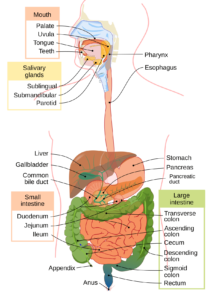
Gastroenterology is a branch of medicine that focuses on the study, diagnosis, and treatment of diseases related to the digestive system. This encompasses the entire digestive tract, from the mouth to the anus, and includes the esophagus, stomach, intestines, liver, pancreas, and gallbladder. In recent years, the importance of maintaining optimal digestive health has gained significant attention due to its vital role in overall well-being.
What Does a Gastroenterologist Do?
A gastroenterologist is a medical professional specializing in the digestive system. They are experts in diagnosing and treating various conditions related to the digestive tract, such as acid reflux, irritable bowel syndrome (IBS), Crohn’s disease, celiac disease, hepatitis, and colorectal cancer. They use a variety of diagnostic tools, including endoscopy, colonoscopy, and imaging techniques, to examine the digestive system and identify underlying issues. Once diagnosed, they recommend personalized treatment plans to manage and alleviate symptoms, which can range from dietary changes and medications to advanced surgical procedures.
Common Gastrointestinal Disorders
There are several gastrointestinal disorders that affect people worldwide, and understanding these conditions is crucial for maintaining a healthy digestive system. Some of the most common gastrointestinal disorders include:
Acid Reflux (GERD): Gastroesophageal reflux disease (GERD) occurs when stomach acid frequently leaks into the esophagus, causing heartburn, chest pain, and other discomforting symptoms. If left untreated, GERD can lead to more serious health problems such as esophageal ulcers or cancer.
Irritable Bowel Syndrome (IBS): IBS is a chronic condition characterized by abdominal pain, bloating, and changes in bowel movements, such as diarrhea or constipation. While the exact cause is unknown, stress and certain foods may trigger IBS symptoms.
Crohn’s Disease: Crohn's disease is an inflammatory bowel disease (IBD) that causes inflammation in the digestive tract, leading to symptoms such as diarrhea, fatigue, weight loss, and severe abdominal pain. It can affect any part of the gastrointestinal tract and can result in complications such as bowel blockages.
Colorectal Cancer: Colorectal cancer is one of the leading causes of cancer-related deaths worldwide. It often develops from precancerous growths called polyps in the colon or rectum. Early detection through screening methods such as colonoscopies can greatly improve survival rates.
Liver Diseases: Conditions like hepatitis, fatty liver disease, and cirrhosis can severely affect liver function, which is vital for detoxification, digestion, and nutrient absorption.
The Role of Diet in Digestive Health
Diet plays a pivotal role in maintaining a healthy digestive system. Eating a balanced diet rich in fiber, fruits, vegetables, and lean proteins can help prevent many common digestive issues, such as constipation and acid reflux. Drinking plenty of water, avoiding excessive alcohol consumption, and limiting processed foods are also essential for digestive health. Additionally, understanding food intolerances and allergies can help prevent discomfort and manage conditions like IBS or celiac disease.
Source-backed journal facts
Topics in published research
Helicobacter pylori-related gastroenterology studies; Inflammatory Bowel Disease; Liver Disease Diagnosis and Treatment; Microscopic Colitis; Eosinophilic Esophagitis; Gastrointestinal motility and disorders.
OpenAlex classifies topics from published works. These topics are not the publisher’s official aims and scope.
Reported open-access list prices
4,180.00 USD; 3,910.00 EUR; 3,350.00 GBP; 518,450.00 JPY
APC list prices reported by OpenAlex, which obtains this information from DOAJ. Confirm current charges, taxes, waivers and eligibility with the publisher; this is not a fee quotation.
Source: OpenAlex source record. Retrieved 2026-10-03. Source record updated 2026-10-02. OpenAlex metrics are different from SCImago metrics and the Clarivate Journal Impact Factor.
Journal Metrics
Quartile, SJR and the listed SCImago H-index use the 2025 imported SCImago dataset. A quartile may vary by subject category. Values without a source or reporting year are unverified historical entries. Verify the current Journal Impact Factor with Clarivate or the publisher before using it.
Aims & Scope
Gastroenterology is a specialized branch of medicine that focuses on the diagnosis, treatment, and prevention of digestive system disorders. This field encompasses a wide range of conditions affecting the gastrointestinal (GI) tract, which includes the esophagus, stomach, small intestine, large intestine (colon), liver, pancreas, and gallbladder. As digestive health is integral to overall well-being, the scope of gastroenterology is vast and covers numerous aspects of patient care, research, and innovation.
What Does Gastroenterology Include?
The scope of gastroenterology spans both medical and procedural aspects. It addresses conditions from common issues like acid reflux to more severe diseases such as Crohn’s disease and liver cirrhosis. Gastroenterologists specialize in providing care for patients experiencing gastrointestinal symptoms, ranging from mild discomfort to life-threatening conditions.
1. Gastrointestinal Disorders: Gastroenterology deals with a variety of disorders that impact the digestive system, including:
Acid Reflux (GERD): A condition where stomach acid frequently flows back into the esophagus, causing discomfort and potential damage to the lining of the esophagus.
Irritable Bowel Syndrome (IBS): A functional GI disorder characterized by abdominal pain, bloating, and changes in bowel habits.
Inflammatory Bowel Disease (IBD): This includes Crohn’s disease and ulcerative colitis, which cause chronic inflammation in the digestive tract.
Celiac Disease: An autoimmune disorder where ingestion of gluten damages the small intestine lining.
2. Liver and Pancreatic Diseases: Gastroenterologists also focus on conditions related to the liver and pancreas, such as:
Hepatitis: Inflammation of the liver caused by viral infections, alcohol use, or certain medications.
Liver Cirrhosis: Scarring of the liver tissue often due to chronic liver disease, which can lead to liver failure.
Pancreatitis: Inflammation of the pancreas, often caused by gallstones or alcohol abuse.
3. Colorectal Diseases: Colorectal issues form a significant part of gastroenterology. These include:
Colon Cancer: A major health concern, often preventable through early screening and regular check-ups.
Diverticulitis: Inflammation or infection of small pouches that can form in the colon walls.
Hemorrhoids: Swollen veins in the rectal area that can cause discomfort and bleeding.
4. Diagnostic Procedures: A key component of gastroenterology involves diagnostic procedures that allow for accurate assessment and treatment planning. These include:
Endoscopy: A procedure used to examine the inside of the GI tract using a flexible tube with a camera.
Colonoscopy: A specialized endoscopic procedure to examine the colon and detect abnormalities like polyps or cancer.
Liver Biopsy: A procedure to assess liver function and diagnose liver diseases.
5. Preventive Care and Screening: Gastroenterologists play a crucial role in preventing GI diseases through early detection and screening. Colon cancer screening is vital for individuals over 50, as early detection can significantly reduce mortality rates. Additionally, regular check-ups help identify liver diseases or digestive issues at an early stage, ensuring prompt intervention.
Emerging Trends in Gastroenterology
The field of gastroenterology has witnessed significant advances in recent years. New technologies, improved diagnostic tools, and novel therapies have revolutionized the way gastrointestinal diseases are managed. The emergence of biologic treatments for conditions like IBD has changed the landscape of disease management, providing patients with better long-term outcomes. Furthermore, advancements in minimally invasive procedures have improved recovery times and reduced the risks associated with surgeries.
Recent Research Articles
Latest publications matched automatically by ISSN.
Editorial Board
2026-12 · DOI: 10.1053/s0016-5085(26)07736-xSerotonergic Signaling in Gastric Physiology and Motility Disorders
Bo Konings, Lukas M. Balsiger, Jolien Schol, Emily Ruilova Sosoranga et al.
2026-12 · DOI: 10.1053/j.gastro.2026.07.006Bepirovirsen Brings Functional Cure Closer to Reality in Chronic Hepatitis B
Sabela Lens
2026-12 · DOI: 10.1053/j.gastro.2026.07.011Refractory Gastric Ulceration
Ali S. Taha, Lana Stevenson
2026-12 · DOI: 10.1053/j.gastro.2026.02.042A Mysterious Case of Diffuse Severe Hepatic Steatosis in a Thin Teenager
Xuemei Tao, Wei Jiang, Hong Tang
2026-12 · DOI: 10.1053/j.gastro.2026.02.043The Interleukin-10 Checkpoint in Inflammatory Bowel Disease: From Rare Genetics to Common Disease
Daniel Kotlarz
2026-12 · DOI: 10.1053/j.gastro.2026.07.013A Measured Approach: The Use of Phosphatidylethanol (PEth) in Alcohol-Associated Liver Disease and Liver Transplantation
Marina Serper
2026-12 · DOI: 10.1053/j.gastro.2026.07.029Elsewhere in the AGA Journals (Preview Section)
2026-12 · DOI: 10.1053/s0016-5085(26)07738-3Validated Early Detection Metrics Reduce the Population Requiring Liver Fibrosis Screening
Laurens A. van Kleef, Jesse Pustjens, Carolin V. Schneider, Guillem Pera et al.
2026-12 · DOI: 10.1053/j.gastro.2026.06.003Reading WONDER-01 at the Bedside: A Bayesian Re-Expression of Benefit and Safety
Joshua Elbaz, Prince Taylor, Laura Ellyn Targownik, Ronald Chow et al.
2026-12 · DOI: 10.1053/j.gastro.2026.07.039Long-Term Incidence of Hepatocellular Carcinoma After Hepatitis B Surface Antigen Seroclearance
Soleiman El-Debeiky, Tony Hiu-Fung Lam, Mandy Sze-Man Lai, Yee-Kit Tse et al.
2026-12 · DOI: 10.1053/j.gastro.2026.06.022Early Liver Transplantation in Alcoholic Hepatitis: An Evidence-Based Development Within a Complex Ethical Context
Philippe Mathurin
2026-12 · DOI: 10.1053/j.gastro.2026.08.003Reply
Tomotaka Saito, Takeshi Ogura, Yousuke Nakai, Shogo Ota et al.
2026-12 · DOI: 10.1053/j.gastro.2026.08.024Managing Complex Irritable Bowel Syndrome: A Multidisciplinary, Mechanism-Based Approach
Lin Chang, Alyse Bedell, Janelle Smith, Suzanne Smith et al.
2026-12 · DOI: 10.1053/j.gastro.2026.07.018Harmonized Metagenomic Signatures of the Gut Microbiome Reveal Robust Species, Functions, and Strain Links to Inflammatory Bowel Disease
Kelsey N. Thompson, Siyuan Ma, Amrisha Bhosle, William A. Nickols et al.
2026-12 · DOI: 10.1053/j.gastro.2026.06.023Acupuncture Versus Sham Non-Acupoint Acupuncture for Irritable Bowel Syndrome: A Systematic Review and Meta-Analysis
Hai-Zhen Zheng, Han-Lin Zou, Bao-Hao Chen, Ying-Jie Li et al.
2026-12 · DOI: 10.1053/j.gastro.2026.06.017Acetylcholine: A Microbial Neurotransmitter Mediating Mucosal Immunity
Zhaoyi Wang, Eytan Wine
2026-12 · DOI: 10.1053/j.gastro.2026.07.010Epithelial FOXP3 Orchestrates O-Glycosylated IL6 Secretion to Drive Pancreatic Fibrocarcinogenesis
Ruining Gong, Junjin Wang, Minghan Ren, Wenqing Zhang et al.
2026-12 · DOI: 10.1053/j.gastro.2026.06.007A DR5/Ligase 3-Mediated Feedback Loop Perpetuates Immunogenicity in Mismatch Repair Deficient Colorectal Cancer
Suisui Hao, Yoshiaki Sato, Francesca Battaglin, Joanne Xiu et al.
2026-12 · DOI: 10.1053/j.gastro.2026.06.014Optimizing Liver Fibrosis Screening in the General Population by Refining the Target Group
Jimmy Che-To Lai, Grace Lai-Hung Wong
2026-12 · DOI: 10.1053/j.gastro.2026.08.010Reviews
Community Reviews
Version History
October 11, 2026 at 3:55 am
April 18, 2025