Academic Journal
Q1Hepatology
About Hepatology
Hepatology: Journal Overview
HEPATOLOGY is the flagship, official peer-reviewed medical journal of the American Association for the Study of Liver Diseases (AASLD). Published monthly, it is one of the most cited and influential journals in the world devoted to liver structure, function, and disease. The journal publishes original, peer-reviewed articles covering the full spectrum of hepatology — from basic and translational science to clinical research and practice guidelines — and it is the venue in which AASLD's most authoritative statements, including its practice guidelines and major consensus nomenclature papers, appear (sources: journals.lww.com/hep; aasld.org announcement of new Co-Editors-in-Chief, 2026).
The journal's standing is reflected in its citation metrics. According to the journal's page on the publisher's site, HEPATOLOGY has an Impact Factor of 18 (Clarivate's June 2025 Journal Citation Reports release), ranking 7th of 153 journals in the Gastroenterology & Hepatology category (source: journals.lww.com/hep, accessed October 2026). Its Impact Factor has risen substantially in recent years: the 2023 Journal Impact Factor was 13.0 (source: aasld.org, "Call for applications: Editor-in-Chief, HEPATOLOGY," 2025), and when Dr. Gregory J. Gores was announced as Editor-in-Chief in 2021, the journal's Impact Factor stood at 14.679 (source: newswise.com AASLD announcement, 2021).
HEPATOLOGY is currently published by Lippincott Williams & Wilkins (Wolters Kluwer) on behalf of AASLD, and its online home is journals.lww.com/hep. The journal previously published on Wiley Online Library (the aasldpubs.onlinelibrary.wiley.com platform); the Lippincott era is current as of the 2024–2026 volumes (note: the exact transition date was not found in the sources consulted — the change of publishing partner is inferred from the current official journal site).
History of Hepatology
The first issue of HEPATOLOGY was published in January 1981 (source: newswise.com AASLD announcement, 2021), making it the longest-running continuously published journal dedicated exclusively to liver disease. AASLD itself was founded in 1950 by a group of leading liver specialists — including Hans Popper, Leon Schiff, Fred Hoffbauer, Cecil Watson, Jesse Bollman, and Sheila Sherlock — to unite those who had contributed to the field of hepatology (source: en.wikipedia.org/wiki/American_Association_for_the_Study_of_Liver_Diseases). The society waited more than three decades before launching its flagship journal, and HEPATOLOGY quickly established itself as the premier publication in liver disease research.
Over its four-plus decades, the journal has mirrored — and helped drive — the transformation of hepatology. Its pages have chronicled the era of viral hepatitis discovery and treatment (including the direct-acting antiviral revolution that cured hepatitis C), the rise and renaming of nonalcoholic fatty liver disease (NAFLD) to metabolic dysfunction–associated steatotic liver disease (MASLD), and the modern era of liver transplantation, immunotherapy for liver cancer, and cell and gene therapies. In 2023, the journal published the landmark multinational consensus paper that retired the term NAFLD in favour of MASLD — one of the most consequential nomenclature changes in modern hepatology (source: mdedge.com reporting on the Hepatology special article, 2023).
HEPATOLOGY is also the publication home of the AASLD Practice Guidelines, the field's authoritative clinical guidance documents, and of The Liver Meeting abstracts supplement — the October issue's supplement (e.g., Volume 84, Supplement S1, 2026) carrying the thousands of abstracts presented at AASLD's annual conference, the largest worldwide scientific conference on liver diseases (sources: journals.lww.com/hep/toc/2026/10001; aasld.org).
On the business side, the journal moved publishing partners during its fourth decade: after a long era with John Wiley & Sons (the aasldpubs.onlinelibrary.wiley.com platform), the journal is now published by Lippincott Williams & Wilkins, part of Wolters Kluwer Health, on behalf of AASLD. Wolters Kluwer lists Hepatology among its journals included in its UpToDate-reviewed journals collection (source: wolterskluwer.com).
Leadership and Editorial Team
The current Editor-in-Chief of HEPATOLOGY is Dr. Gregory J. Gores, MD, FAASLD, a hepatologist at the Mayo Clinic in Rochester, Minnesota. AASLD announced his appointment in 2021, with his editorial team beginning to review manuscripts in July 2021 and his five-year tenure beginning in January 2022. He succeeded Dr. David Cohen, FAASLD, who had led the journal for the preceding five years (source: newswise.com AASLD announcement, 2021). At the time of his appointment, Dr. Gores was described as having twice served as an associate editor of the journal and as a past president of AASLD (source: newswise.com, 2021).
An editorial transition is already planned: in 2026, AASLD announced the appointment of Dr. Naga Chalasani, MD, FAASLD, of Indiana University School of Medicine, and Dr. Laura E. Nagy, PhD, FAASLD, of Cleveland Clinic, as the next Co-Editors-in-Chief of HEPATOLOGY. They will begin reviewing manuscript submissions in July 2026, ahead of a five-year term beginning in January 2027 (source: aasld.org, "AASLD Announces New Co-Editors-in-Chief for HEPATOLOGY," 2026).
Dr. Chalasani is the David W. Crabb Professor of Medicine and Director of the Terance Kahn Liver Research Program at Indiana University School of Medicine, with continuous NIH funding since 1999 and research focused on MASLD and drug-induced liver injury (DILI); he is a founding principal investigator of the NIDDK-funded NASH Clinical Research Network and the Drug-Induced Liver Injury Network (source: aasld.org, 2026). Dr. Nagy is Professor of Molecular Medicine at Cleveland Clinic, where she directs the Liver Disease Research Center at the Lerner Research Institute; her program studies signal transduction and innate immunity in MASLD and alcohol-associated liver disease, and she previously served as an Associate Editor for HEPATOLOGY (source: aasld.org, 2026). AASLD President Grace L. Su welcomed the incoming editors, saying their leadership would "continue to elevate the journal's global impact" (source: aasld.org, 2026).
Aims & Scope
According to AASLD's official description, HEPATOLOGY publishes original, peer-reviewed research across the full spectrum of hepatology, including immunology, chronic and viral hepatitis, cirrhosis, genetic and metabolic liver diseases, liver cancer, alcohol-associated liver disease, and drug metabolism. Its Editorial Board selects significant advances in basic, translational, and clinical science each month (sources: aasld.org co-EIC announcement, 2026; journals.lww.com/hep).
More broadly, the journal covers all aspects of liver structure, function, and disease (source: aasld.org, "Call for applications: Editor-in-Chief, HEPATOLOGY," 2025). The journal publishes original research articles, Reviews, Practice Guidelines, and Letters to the Editor (source: aasld.org EIC call, 2025). In paraphrase, the scope spans laboratory discovery (hepatocyte biology, immunology, genetics), disease mechanisms (fibrosis, cirrhosis, liver failure), clinical investigation (viral hepatitis, metabolic liver disease, alcohol-associated liver disease, liver cancer, transplantation), and the clinical-policy instruments of the field (guidelines, consensus statements, meeting abstracts).
The journal's readership includes hepatologists, gastroenterologists, transplant surgeons, basic and translational liver researchers, and allied health professionals. Because HEPATOLOGY publishes AASLD's practice guidelines and nomenclature consensus statements, it functions as both a research journal and the field's instrument of clinical standard-setting.
Editorial Process and Peer Review
Manuscript processing for HEPATOLOGY is handled by the AASLD Editorial Office (source: aasld.org EIC call, 2025), with submissions made through the journal's online submission system on the Lippincott platform (journals.lww.com/hep). The journal's author guidelines describe an anonymous (single-blind) peer review process: the journal uses anonymous peer review in evaluating manuscripts, and editors may return manuscripts as an "Early Reject" without full peer review when they are incomplete or judged unlikely to be accepted (source: author guidelines PDF archived at cdn-cms.f-static.net — note: this is an archived copy of the guidelines, not the live page; authors should confirm current policy on journals.lww.com/hep).
Key points from the journal's stated editorial process:
- Initial editorial assessment. Editors screen submissions and may return manuscripts early without external review if incomplete or unlikely to meet the bar ("Early Reject").
- External peer review. Manuscripts that clear the initial screen undergo anonymous peer review by expert referees.
- Revision and resubmission. The editors allow a single resubmission after the initial disposition; revised manuscripts should be returned within three months of the initial decision, and a manuscript requiring more than one revision or returned beyond about four months is treated as a new submission.
- Editorial Office screening. The Editorial Office runs plagiarism-detection screening on each manuscript, and retains the right to reject a manuscript at any stage of the process.
Volume and selectivity. At the time of Dr. Gores's appointment (2021), AASLD reported that the journal received roughly 2,400 total manuscript submissions per year, including nearly 2,000 original research submissions, and generated approximately 300,000 full-article downloads per month (source: newswise.com AASLD announcement, 2021 — figures are from 2021 and current volumes may differ). The journal's acceptance rate is not publicly disclosed; readers should not rely on any unofficial acceptance-rate figure circulating on third-party aggregator sites.
Impact and Metrics
The metrics below come from the journal's official publisher page and AASLD sources. Years refer to the metric year as reported.
| Journal Impact Factor | 18.0 — Clarivate's June 2025 JCR release (the 2024 JIF) (source: journals.lww.com/hep, accessed October 2026) |
| Category ranking | 7 of 153 in Gastroenterology & Hepatology (source: journals.lww.com/hep) |
| 2023 Journal Impact Factor | 13.0 (source: aasld.org, "Call for applications: Editor-in-Chief, HEPATOLOGY," 2025) |
| 2020 Journal Impact Factor (approx.) | 14.679, reported at Dr. Gores's 2021 appointment (source: newswise.com AASLD announcement, 2021) |
| 5-year Impact Factor | Not displayed on the journal's public metrics page — not publicly disclosed there; consult the current JCR release for the figure |
| CiteScore / SJR | Not stated on the journal's official page consulted; third-party aggregators publish varying estimates — use Scopus/SCImago for current values |
| Annual submissions | ~2,400 total / ~2,000 original research (2021 figure, source: newswise.com) |
| Monthly full-article downloads | ~300,000 (2021 figure, source: newswise.com) |
Historical note: The journal's Impact Factor has trended upward across editorial tenures — from roughly 14.7 at the start of the Gores era (2021), to 13.0 in the 2023 JCR, to 18.0 in the June 2025 JCR release — placing it among the top-ranked journals in the Gastroenterology & Hepatology category. As always, Impact Factors are updated annually by Clarivate; authors and readers should check the journal's official page for the current figure before citing it.
Submission Guidelines
Prospective authors should consult the current "Information for Authors" on journals.lww.com/hep, since requirements change over time. The key points below are drawn from official AASLD and journal materials (source: aasld.org EIC call, 2025; journal author guidelines).
- Submission portal: Manuscripts are submitted online through the journal's submission system on the Lippincott platform (linked from journals.lww.com/hep). Manuscript processing is handled by the AASLD Editorial Office.
- Article types: The journal publishes original research articles, Reviews, Practice Guidelines, and Letters to the Editor (source: aasld.org EIC call, 2025). Authors interested in contributing a Review are generally expected to contact the Editor or an Associate Editor with an outline first (per the archived author guidelines).
- Language: The journal publishes in English; authors with limited facility in English should seek editorial assistance before submission, since material requiring major editorial work may be returned without review.
- Manuscript package: A complete electronic copy of the manuscript, tables, figures, and the author/copyright agreement are submitted through the online system.
- Plagiarism screening: The Editorial Office applies plagiarism-detection screening to each manuscript; the corresponding author is notified of concerns and must respond.
- Figures: Color figures may incur charges (the archived guidelines indicated color figure charges per page); authors should verify the current figure-charge policy on the journal site before submission.
- Cover art: Authors of accepted manuscripts may submit images for cover consideration (per the archived guidelines).
Open Access and APC
HEPATOLOGY is primarily a subscription (hybrid) journal: most articles are published behind the subscription paywall, with an optional open access route for authors who choose it. Wolters Kluwer/Lippincott supports open access publishing with CC licensing options and institutional open access agreements across its journal portfolio (source: businesswire.com, Wolters Kluwer announcements).
Article Processing Charge (APC): the journal does not publish an official APC figure on its public journal page. No APC figure for HEPATOLOGY was found in the official sources consulted (journals.lww.com/hep, aasld.org). Because Lippincott hybrid-journal APCs vary by title and are updated periodically, prospective authors should check the current open access fee on the journal's Lippincott page or contact the AASLD Editorial Office before relying on any number. Any APC figure quoted on third-party journal-metric aggregator sites is unofficial and should not be cited as the journal's charge. Figures are subject to change, and VAT or local taxes may apply.
One reported data point: OpenAlex's source record for the journal, citing DOAJ, lists reported open-access list prices of 2,900 USD / 2,800 EUR / 2,050 GBP (source: OpenAlex source record for HEPATOLOGY, retrieved October 2026; the same figure appears on the journal's JournalsWorld profile page). This is a directory-reported list price, not a fee quotation from the publisher — authors must confirm current charges, taxes, waivers, and eligibility directly with the publisher before submitting, as list prices change.
Authors affiliated with institutions that hold open access agreements with Wolters Kluwer may have publishing costs covered under those deals; AASLD members receive subscription access to the journal as part of membership benefits. Authors should review the current open access funding and support pages on the publisher's site for waiver, discount, and institutional-agreement details.
Landmark Papers and Guideline Leadership
HEPATOLOGY's influence extends beyond its research articles into the instruments that define clinical practice. The journal is the publication home of the AASLD Practice Guidelines — the field's authoritative clinical guidance documents — as well as major consensus statements (source: aasld.org).
The most consequential recent example is the 2023 NAFLD-to-MASLD nomenclature consensus: a special article published in HEPATOLOGY by a diverse international consensus group (co-led by Mary E. Rinella, MD, of the University of Chicago) that retired the term "nonalcoholic fatty liver disease" and replaced it with metabolic dysfunction–associated steatotic liver disease (MASLD), with steatotic liver disease (SLD) as the umbrella term and a new MetALD subcategory for patients with MASLD plus significant alcohol intake; nonalcoholic steatohepatitis (NASH) became metabolic dysfunction-associated steatohepatitis (MASH) (source: mdedge.com reporting on the Hepatology special article, 2023). The change was described as "small changes with significant implications" for patient classification and research, and the paper was published simultaneously across the major liver journals.
Each October, the journal also publishes The Liver Meeting abstracts supplement — for example, the October 2026 Volume 84 Supplement S1 carries the full abstracts of the 2026 Liver Meeting plenary, parallel, and poster sessions, running to well over two thousand pages (sources: journals.lww.com/hep/toc/2026/10001). These supplements make HEPATOLOGY the archival record of the largest liver-disease research conference in the world.
Recent regular issues illustrate the journal's clinical edge: the October 2026 issue (Volume 84, Issue 4) featured reviews on response evaluation to systemic therapy in hepatocellular carcinoma, the evolution of immunotherapy for HCC, sequencing of systemic treatments in advanced HCC, clinical guidelines for fibrolamellar carcinoma, and the rise of transplant oncology (source: journals.lww.com/hep/toc/current).
The AASLD Journal Family
HEPATOLOGY is the flagship of AASLD's publishing programme, which includes two other major journals (source: en.wikipedia.org/wiki/American_Association_for_the_Study_of_Liver_Diseases):
- Hepatology Communications — AASLD's fully open-access journal, publishing research across liver disease with rapid dissemination; led by Co-Editors-in-Chief Elliot B. Tapper, MD, FAASLD, and Carmen Chak-Lui Wong, PhD (source: linkedin.com AASLD Publications showcase, via search results).
- Liver Transplantation — the dedicated journal for liver transplantation science and clinical practice, also published by Lippincott on behalf of AASLD.
A fourth title, Clinical Liver Disease, a multimedia review journal blending text, audio, video, and webinars, was sunset by the AASLD Governing Board in June 2024 as the association reinvested in broader multimedia education (source: pmc.ncbi.nlm.nih.gov, "Clinical Liver Disease: Legacy of innovation in hepatology education").
Manuscripts that are strong but not selected for the flagship are commonly considered for transfer within the AASLD portfolio — authors should check the current transfer policies on the journal site.
Key Facts
| Journal title | HEPATOLOGY |
| Owner / society | American Association for the Study of Liver Diseases (AASLD), founded 1950 |
| Publisher | Lippincott Williams & Wilkins (Wolters Kluwer) on behalf of AASLD (journal previously published on Wiley Online Library) |
| First published | January 1981 |
| Frequency | Monthly |
| ISSN | 0270-9139 |
| Online ISSN | 1527-3350 |
| Current Editor-in-Chief | Gregory J. Gores, MD, FAASLD (Mayo Clinic, Rochester) — since January 2022 |
| Incoming Co-Editors-in-Chief | Naga Chalasani, MD, FAASLD (Indiana University) and Laura E. Nagy, PhD, FAASLD (Cleveland Clinic) — five-year term from January 2027; reviewing from July 2026 |
| Scope | All aspects of liver structure, function, and disease: immunology, viral/chronic hepatitis, cirrhosis, metabolic liver diseases, liver cancer, alcohol-associated liver disease, drug metabolism |
| Article types | Original research, Reviews, Practice Guidelines, Letters to the Editor, meeting abstracts supplement |
| Peer review | Anonymous peer review with initial editorial screening ("Early Reject"); plagiarism screening on all submissions |
| Journal Impact Factor | 18.0 (Clarivate June 2025 JCR release); 13.0 (2023); ~14.7 (2021) |
| Category rank | 7 of 153 in Gastroenterology & Hepatology (June 2025 JCR) |
| Acceptance rate | Not publicly disclosed |
| APC / open access fee | Not publicly disclosed on the journal's official page — hybrid journal with optional OA; OpenAlex/DOAJ-reported list price 2,900 USD / 2,800 EUR / 2,050 GBP — confirm with publisher (subject to change) |
| Access model | Subscription with optional open access |
| Official website | https://journals.lww.com/hep |
Frequently Asked Questions
What is the Hepatology journal?
HEPATOLOGY is the flagship, official peer-reviewed medical journal of the American Association for the Study of Liver Diseases (AASLD). Published monthly, it covers all aspects of liver structure, function, and disease, from basic science to clinical research and practice guidelines (sources: journals.lww.com/hep; aasld.org).
Who publishes Hepatology?
The journal is published by Lippincott Williams & Wilkins (Wolters Kluwer) on behalf of AASLD, at journals.lww.com/hep. It previously appeared on Wiley Online Library; the Lippincott era is current as of the 2024–2026 volumes. (Note: the exact transition date was not found in the sources consulted.)
What is Hepatology's impact factor?
According to the journal's publisher page, the Impact Factor is 18.0 (Clarivate's June 2025 JCR release — the 2024 Journal Impact Factor), ranking the journal 7th of 153 journals in Gastroenterology & Hepatology. The 2023 Impact Factor was 13.0 (source: aasld.org). Impact Factors are updated annually — check journals.lww.com/hep for the current figure.
Who is the Editor-in-Chief of Hepatology?
Dr. Gregory J. Gores, MD, FAASLD, a hepatologist at the Mayo Clinic in Rochester, Minnesota, has been Editor-in-Chief since January 2022, succeeding Dr. David Cohen (source: newswise.com AASLD announcement, 2021). In January 2027, Dr. Naga Chalasani (Indiana University) and Dr. Laura E. Nagy (Cleveland Clinic) will take over as Co-Editors-in-Chief for a five-year term (source: aasld.org, 2026).
When was Hepatology founded?
The first issue was published in January 1981 (source: newswise.com AASLD announcement, 2021). Its owner society, AASLD, was founded in 1950.
What does Hepatology publish?
Original research articles, Reviews, Practice Guidelines, Letters to the Editor, and the annual Liver Meeting abstracts supplement. Scope spans immunology, viral and chronic hepatitis, cirrhosis, genetic and metabolic liver diseases, liver cancer, alcohol-associated liver disease, and drug metabolism (sources: aasld.org; journals.lww.com/hep).
How does peer review work at Hepatology?
The journal uses anonymous peer review with initial editorial screening: manuscripts judged incomplete or unlikely to be accepted may be returned early without full external review ("Early Reject"). The Editorial Office applies plagiarism-detection screening to each manuscript. Authors are generally allowed a single resubmission after the initial decision, with revised manuscripts due within about three months.
What is the acceptance rate of Hepatology?
The acceptance rate is not publicly disclosed. AASLD reported roughly 2,400 total submissions per year (including nearly 2,000 original research submissions) in 2021 (source: newswise.com). Unofficial acceptance-rate figures on aggregator sites should not be treated as the journal's own data.
Is Hepatology open access, and what is the APC?
HEPATOLOGY is a subscription (hybrid) journal with an optional open access route. The journal does not publish an official APC figure on its public page; no APC figure was found in the official sources consulted. Verify the current open access fee on journals.lww.com/hep or with the AASLD Editorial Office, as figures are subject to change.
Where are AASLD's practice guidelines published?
In HEPATOLOGY. The journal is the official publication home of the AASLD Practice Guidelines as well as major consensus statements, such as the 2023 NAFLD-to-MASLD nomenclature paper.
What are Hepatology's ISSNs?
Print ISSN 0270-9139; online ISSN 1527-3350 (source: journals.lww.com/hep).
How often is Hepatology published?
Monthly — 12 issues per year, plus the annual October abstracts supplement for The Liver Meeting (source: journals.lww.com/hep).
What other journals does AASLD publish?
Hepatology Communications (fully open access) and Liver Transplantation. A fourth title, Clinical Liver Disease, was sunset in June 2024 (source: pmc.ncbi.nlm.nih.gov).
Where can I submit a manuscript to Hepatology?
Through the journal's online submission system linked from journals.lww.com/hep. Manuscript processing is handled by the AASLD Editorial Office; prospective authors should read the current Information for Authors before submitting.
Profile compiled October 2026 from official AASLD, Lippincott/Wolters Kluwer, and journal sources listed below. Metrics, editorial leadership, and policies change over time — always verify current figures on the journal's official pages before citing or acting on them. Where a figure was not found in official sources, this profile says so explicitly rather than substituting third-party estimates.
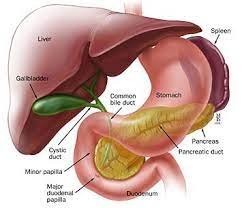
Hepatology is the branch of medicine that focuses on the study, diagnosis, and treatment of diseases related to the liver, gallbladder, biliary tree, and pancreas. It plays a crucial role in the management of liver disorders, which can range from mild conditions like fatty liver disease to more severe issues such as cirrhosis and liver cancer. With liver diseases becoming increasingly prevalent worldwide, hepatology has become a key area of research, diagnosis, and clinical care.
What is Hepatology?
Hepatology is a specialized field within internal medicine that deals with the liver and its associated organs. The liver is a vital organ responsible for numerous essential functions, including detoxifying harmful substances from the blood, producing bile for digestion, and regulating metabolism. Given its importance, any dysfunction in the liver can lead to a wide range of health complications.
Hepatologists, who are doctors specializing in this field, manage and treat liver-related conditions. They are trained to perform diagnostic procedures like liver biopsies, endoscopic evaluations, and blood tests to assess liver function and identify diseases.
Common Liver Diseases Treated in Hepatology
Some of the most common liver conditions addressed in hepatology include:
Hepatitis: Hepatitis refers to inflammation of the liver, typically caused by viral infections (e.g., Hepatitis B, Hepatitis C). Chronic hepatitis can lead to severe complications like cirrhosis and liver cancer if left untreated.
Fatty Liver Disease: Non-alcoholic fatty liver disease (NAFLD) and alcoholic fatty liver disease (AFLD) are conditions where fat builds up in the liver. Both can progress to more serious liver damage if not properly managed.
Cirrhosis: Cirrhosis is the scarring of the liver tissue, often due to chronic alcohol abuse, viral hepatitis, or fatty liver disease. As cirrhosis progresses, it impairs liver function and can lead to life-threatening complications such as liver failure.
Liver Cancer (Hepatocellular Carcinoma): This type of cancer originates in the liver and is often the result of chronic liver diseases like hepatitis and cirrhosis. Early diagnosis and treatment are critical to improving outcomes.
Gallbladder and Biliary Tract Diseases: Hepatologists also treat conditions related to the gallbladder and bile ducts, such as gallstones and cholangitis.
Advances in Hepatology
Over the past few decades, there have been significant advancements in the field of hepatology, particularly in the treatment of viral hepatitis. The advent of direct-acting antivirals (DAAs) has revolutionized the treatment of Hepatitis C, offering patients a cure with shorter treatment durations and fewer side effects.
Additionally, the growing focus on liver transplantation has improved the prognosis for patients with end-stage liver diseases. Hepatologists collaborate with transplant surgeons to provide life-saving interventions for patients in need of a liver transplant.
Preventing Liver Diseases
Prevention is an essential aspect of hepatology. Many liver diseases can be avoided or managed effectively with lifestyle changes and proper medical care. Some key preventive measures include:
Vaccination: Vaccines for Hepatitis A and Hepatitis B are crucial in preventing these viral infections, especially in high-risk populations.
Healthy Diet and Exercise: Maintaining a healthy weight and regular exercise can prevent or manage conditions like fatty liver disease, reducing the risk of developing cirrhosis or liver cancer.
Avoiding Excessive Alcohol Consumption: Limiting alcohol intake can help prevent liver damage and reduce the risk of cirrhosis and other alcohol-related liver diseases.
Regular Screenings: People at risk of liver diseases, such as those with a family history of liver conditions or those with Hepatitis B or C, should undergo regular screenings to detect early signs of liver damage.
Source-backed journal facts
Topics in published research
Liver Disease Diagnosis and Treatment; Hepatitis C virus research; Liver Disease and Transplantation; Hepatitis B Virus Studies; Liver physiology and pathology; Organ Transplantation Techniques and Outcomes.
OpenAlex classifies topics from published works. These topics are not the publisher’s official aims and scope.
Reported open-access list prices
2,900.00 USD; 2,800.00 EUR; 2,050.00 GBP
APC list prices reported by OpenAlex, which obtains this information from DOAJ. Confirm current charges, taxes, waivers and eligibility with the publisher; this is not a fee quotation.
Source: OpenAlex source record. Retrieved 2026-10-03. Source record updated 2026-10-02. OpenAlex metrics are different from SCImago metrics and the Clarivate Journal Impact Factor.
Journal Metrics
Quartile, SJR and the listed SCImago H-index use the 2025 imported SCImago dataset. A quartile may vary by subject category. Values without a source or reporting year are unverified historical entries. Verify the current Journal Impact Factor with Clarivate or the publisher before using it.
Aims & Scope
Hepatology, the branch of medicine that focuses on liver diseases, is a rapidly advancing field that plays a critical role in managing a wide range of conditions related to the liver, biliary system, and pancreas. The liver, being one of the most vital organs in the body, is responsible for several essential functions, including detoxification, protein synthesis, and the production of biochemicals necessary for digestion. As the incidence of liver-related diseases continues to rise globally, understanding the scope of hepatology becomes increasingly important for healthcare professionals, researchers, and patients alike.
Key Areas of Focus in Hepatology
Chronic Liver Diseases (CLD)
Chronic liver diseases are a major focus of hepatology. These include conditions such as cirrhosis, chronic hepatitis B and C, and fatty liver disease (NAFLD and NASH). Chronic liver diseases are often asymptomatic in their early stages, making early detection crucial for effective management. Hepatologists specialize in diagnosing and treating these conditions, aiming to prevent progression to liver failure and reduce the risk of liver cancer.Liver Transplantation
Liver transplantation is a lifesaving procedure for patients with end-stage liver disease, often due to cirrhosis or acute liver failure. The demand for liver transplants continues to grow, and advancements in transplantation techniques, immunosuppressive therapy, and organ preservation have improved patient outcomes. Hepatology plays a central role in the pre-transplant assessment, post-transplant care, and management of potential complications.Viral Hepatitis
Viral hepatitis, particularly hepatitis B and C, remains a global health concern. Hepatologists are at the forefront of diagnosing and managing these infections, which can lead to severe liver damage if left untreated. The development of direct-acting antiviral (DAA) therapies for hepatitis C has revolutionized treatment, offering high cure rates with minimal side effects. Vaccines for hepatitis B have also made significant strides in preventing infection.Fatty Liver Disease (NAFLD/NASH)
Non-alcoholic fatty liver disease (NAFLD) and non-alcoholic steatohepatitis (NASH) are rapidly emerging as leading causes of liver-related morbidity. These conditions are strongly linked to metabolic syndrome, including obesity, diabetes, and hypertension. Hepatologists are increasingly involved in the diagnosis, management, and development of therapeutic strategies for these conditions, as they can lead to cirrhosis and liver cancer.Liver Cancer (Hepatocellular Carcinoma)
Hepatocellular carcinoma (HCC) is a primary liver cancer that often develops in the setting of chronic liver disease, especially in cirrhosis. Early detection is critical, and hepatologists use advanced imaging techniques, biopsy procedures, and serum biomarkers to diagnose HCC at an early stage. In addition to surgical resection and liver transplantation, innovative treatments such as locoregional therapies and systemic therapies are being utilized to improve patient outcomes.Biliary Diseases
Disorders of the bile ducts, such as primary biliary cholangitis (PBC) and primary sclerosing cholangitis (PSC), are also key areas of focus in hepatology. These autoimmune diseases can lead to progressive liver damage and liver failure. Hepatologists work on managing these conditions, utilizing medications to slow disease progression and providing support for patients with end-stage liver disease.
Advancements and Challenges in Hepatology
The field of hepatology has made tremendous progress in recent years. Advances in molecular biology, genomics, and imaging technologies have improved our understanding of liver diseases and have paved the way for more targeted therapies. However, challenges remain, including the need for improved screening methods, access to healthcare in low-resource settings, and the rising burden of liver diseases due to lifestyle factors like obesity and alcohol consumption.
Recent Research Articles
Latest publications matched automatically by ISSN.
Rethinking albumin after paracentesis: It’s not just about the volume
Kevin Houston, Juan Pablo Arab
2026-11 · DOI: 10.1097/hep.0000000000001820A gentler squeeze: A first signal from OCE-205, a selective V1a mixed agonist–antagonist for hepatorenal syndrome–acute kidney injury
Prowpanga Udompap
2026-11 · DOI: 10.1097/hep.0000000000001851Turning down the ammonia dial: Phase 2a evidence for YAQ007 in cirrhosis
Hanna Erickson
2026-11 · DOI: 10.1097/hep.0000000000001852Present but not prescient: Cardiometabolic risk factors in alcohol-associated hepatitis
Enis H. Ozmert
2026-11 · DOI: 10.1097/hep.0000000000001853Saroglitazar improves hepatic steatosis and liver enzymes in women with polycystic ovary syndrome and MASLD: A multicenter, double-blind, placebo-controlled study
Niharika Samala, José González-González, Robert A Jenders, Monika Sarkar et al.
2026-10-15 · DOI: 10.1097/hep.0000000000001862Cinderella no more: Alpha-1 antitrypsin deficiency-associated liver disease steps into the ballroom
Malin Fromme, Fabienne Klebingat, Pavel Strnad
2026-10-14 · DOI: 10.1097/hep.0000000000001888Upholding telomeres prevents hepatic stellate cell transdifferentiation and liver fibrogenesis
Lihui Wang, Huiwen Li, Long Yang, Jia Li et al.
2026-10-14 · DOI: 10.1097/hep.0000000000001889Beyond the primary endpoint: Learning from “negative” AIH trials
Silja Steinmann, Ansgar W. Lohse
2026-10-14 · DOI: 10.1097/hep.0000000000001887Autoimmune hepatitis and primary biliary cholangitis are among a subset of autoimmune diseases defined by profound co-prevalence and genetic risk association with the IL12 pathway
Priyanka Nakka, Brian D. Hobbs, Carlo Sidore, William H. Palmer et al.
2026-10-13 · DOI: 10.1097/hep.0000000000001819Erratum: Circular RNA sequencing identifies CircASAP1 as a key regulator in hepatocellular carcinoma metastasis
Zhi-Qiang Hu, Shao-Lai Zhou, Jia Li, Zheng-Jun Zhou et al.
2026-10-13 · DOI: 10.1097/hep.0000000000001845Adjuvant pegylated interferon-alpha after nucleos(t)ide analog withdrawal drives a temporally coordinated expansion of regulatory B cells and contraction of HBV-specific T cells
Sandra Phillips, Alice Burton, Helen Cooksley, Jessica Davies et al.
2026-10-09 · DOI: 10.1097/hep.0000000000001839An international multicenter analysis of the outcome of pediatric first variceal hemorrhage
Benjamin L. Shneider, Xiaotian Gao, Kexin Guo, Catalina Jaramillo et al.
2026-10-07 · DOI: 10.1097/hep.0000000000001881From guidance to GRADE guidelines and EXPOs: Advancing the future of AASLD clinical recommendations
Elizabeth C. Verna, Jennifer C. Price, Cynthia Levy
2026-10-07 · DOI: 10.1097/hep.0000000000001824AASLD EXPO: Liver biopsy
Elizabeth C. Verna, Douglas G. Adler, Matthew R. Kappus, Elizabeth B. Rand et al.
2026-10-07 · DOI: 10.1097/hep.0000000000001828Deciphering the post-transcriptional code in tumor progression: CPEB3 links genetic variation to alternative polyadenylation in hepatocellular carcinoma
Kai Wang, Mulong Du
2026-10-07 · DOI: 10.1097/hep.0000000000001882Hepatogenesis through interspecies chimerism – An immunological path distinct from xenotransplantation
Joseph Sushil Rao, Anala Shetty, Sabarinathan Ramachandran, Clifford J. Steer et al.
2026-10-02 · DOI: 10.1097/hep.0000000000001880Efficacy and safety of an 8-week bemnifosbuvir and ruzasvir regimen in chronic hepatitis C: Results from a Phase 2 study
Alina Jucov, Brian Conway, Jordan J. Feld, Saeed Hamid et al.
2026-10-02 · DOI: 10.1097/hep.0000000000001871TESERA: morphologic subtyping and prognostic stratification of hepatocellular carcinoma from H&E whole-slide images
Tyler M. Yasaka, Shaila Afrin, Po-Yuan Chen, Laura M. Molina et al.
2026-10-02 · DOI: 10.1097/hep.0000000000001879The Liver Meeting: 2026 Saturday, Nov 7 Posters: 3001-3598
2026-10 · DOI: 10.1097/01.hep.0001249260.22455.51The Liver Meeting: 2026 Plenary and Parallel Sessions: 0001-0281
2026-10 · DOI: 10.1097/hep.0000000000001842Reviews
Community Reviews
Version History
October 11, 2026 at 3:56 am
April 23, 2025