Academic Journal
Q1Leukemia
About Leukemia
Leukemia is a scholarly journal published by Springer Nature. SCImago 2025 places it in Q1 with an SJR of 3.675 and an H-index of 235.
Its listed coverage is 1987-2026 and its research categories include Anesthesiology and Pain Medicine (Q1); Cancer Research (Q1); Hematology (Q1); Oncology (Q1). The 2025 dataset reports 347 documents and 7497 citations across the latest three-year reporting window.
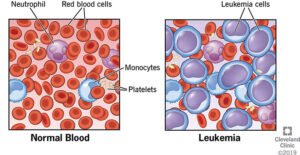
Leukemia is a type of cancer that affects the blood and bone marrow. It occurs when abnormal white blood cells are produced and crowd out healthy cells, impairing the body's ability to fight infections, control bleeding, and transport oxygen. There are various types of leukemia, and it can affect people of all ages. In this article, we will explore the symptoms, types, and treatment options for leukemia to raise awareness and help individuals understand the disease better.
What is Leukemia?
Leukemia is a cancer of the blood or bone marrow, where blood cells are produced. It typically begins in the bone marrow, where blood cells are formed, and can affect various blood cells like red blood cells, white blood cells, and platelets. The disease causes an overproduction of abnormal white blood cells, which interfere with the body's normal functions.
Types of Leukemia
There are four main types of leukemia, each categorized by how quickly the disease progresses and which blood cells are affected:
-
Acute Leukemia – This type progresses quickly and requires immediate treatment. It can be further divided into:
-
Acute Lymphocytic Leukemia (ALL): Affects the lymphoid cells.
-
Acute Myelogenous Leukemia (AML): Affects the myeloid cells.
-
-
Chronic Leukemia – This type progresses more slowly and can be managed over time. It includes:
-
Chronic Lymphocytic Leukemia (CLL): Affects the lymphoid cells.
-
Chronic Myelogenous Leukemia (CML): Affects the myeloid cells.
-
Symptoms of Leukemia
Leukemia symptoms vary depending on the type of leukemia and the stage of the disease. However, some common signs include:
-
Fatigue or weakness: Feeling unusually tired even after resting.
-
Frequent infections: Leukemia weakens the immune system, making the body more susceptible to infections.
-
Unexplained weight loss: Losing weight without any change in diet or exercise.
-
Swollen lymph nodes: Lymph nodes in the neck, armpits, or groin may become swollen.
-
Easy bruising or bleeding: This may include frequent nosebleeds, gum bleeding, or excessive bruising from minor injuries.
-
Bone or joint pain: Pain in the bones or joints may occur due to the overproduction of abnormal cells.
Causes and Risk Factors
While the exact cause of leukemia is unknown, several risk factors increase the likelihood of developing the disease:
-
Genetic mutations: Inherited genetic conditions, like Down syndrome, can increase the risk.
-
Exposure to chemicals: Long-term exposure to certain chemicals, such as benzene, can increase the risk of leukemia.
-
Radiation exposure: High levels of radiation exposure, such as from cancer treatments, can increase the risk of developing leukemia.
-
Family history: Having a family member with leukemia can increase the risk.
Treatment Options for Leukemia
Leukemia treatment depends on the type of leukemia, its progression, and the patient's overall health. Common treatment options include:
-
Chemotherapy: This is the most common treatment for leukemia and uses drugs to kill cancer cells or stop their growth.
-
Radiation therapy: High-energy radiation may be used to kill cancer cells or shrink tumors.
-
Bone marrow or stem cell transplant: This procedure involves replacing damaged bone marrow with healthy stem cells.
-
Targeted therapy: This treatment targets specific molecules involved in the growth of cancer cells.
-
Immunotherapy: This treatment helps boost the body's immune system to fight leukemia cells.
Journal Metrics
Metrics can change by reporting year. Verify time-sensitive values with the publisher or indexing service.
Aims & Scope
Leukemia is a type of cancer that affects the blood and bone marrow, where blood cells are produced. It primarily involves the abnormal growth of white blood cells, which disrupts the production of other blood cells. The scope of leukemia in medical research and treatment has evolved significantly over the years, providing hope for better diagnosis, treatment, and management. This article explores the scope of leukemia, covering its types, symptoms, causes, diagnosis, treatment options, and the latest advancements in research.
Types of Leukemia
Leukemia is categorized into several types, depending on the rate of progression and the type of white blood cell affected. The two main categories are acute and chronic leukemia, with further subtypes:
-
Acute Leukemia: This form of leukemia progresses rapidly and requires immediate treatment. It includes:
-
Acute Lymphocytic Leukemia (ALL)
-
Acute Myelogenous Leukemia (AML)
-
-
Chronic Leukemia: This type develops more slowly and may not show symptoms for years. It includes:
-
Chronic Lymphocytic Leukemia (CLL)
-
Chronic Myelogenous Leukemia (CML)
-
Each type has its own unique set of symptoms, risk factors, and treatment strategies.
Symptoms and Early Warning Signs
Leukemia symptoms vary depending on the type and stage of the disease. Common signs include:
-
Unexplained fatigue
-
Frequent infections
-
Unexplained weight loss
-
Pain or a full feeling below the ribs (due to spleen or liver enlargement)
-
Easy bruising or bleeding
-
Swollen lymph nodes
It is crucial to seek medical attention if any of these symptoms persist, as early detection can improve the chances of successful treatment.
Causes and Risk Factors
The exact cause of leukemia remains unknown, but certain risk factors are associated with an increased likelihood of developing the disease. These include:
-
Genetic mutations: Changes in the DNA of bone marrow cells can lead to leukemia.
-
Age: Leukemia is more common in older adults but can affect individuals of all ages.
-
Environmental exposures: Exposure to certain chemicals like benzene and radiation can increase leukemia risk.
-
Family history: A family history of leukemia can slightly increase the likelihood of developing the disease.
Diagnosis of Leukemia
Leukemia is diagnosed through a combination of physical exams, medical history, blood tests, and bone marrow tests. The key diagnostic tests include:
-
Complete Blood Count (CBC): Measures the number of different blood cells in the body.
-
Bone Marrow Biopsy: Involves extracting a sample of bone marrow to check for abnormal cells.
-
Genetic Testing: Helps identify specific mutations that could influence treatment decisions.
Accurate and early diagnosis is vital for determining the appropriate course of treatment.
Treatment Options
Treatment for leukemia has advanced dramatically, with various options tailored to the specific type of leukemia. The common treatment methods include:
-
Chemotherapy: The use of drugs to kill cancerous cells or stop their growth.
-
Radiation Therapy: Uses high-energy radiation to destroy leukemia cells.
-
Stem Cell Transplantation: Involves replacing diseased bone marrow with healthy stem cells.
-
Targeted Therapy: Aims to attack specific molecules involved in the growth of leukemia cells.
-
Immunotherapy: Boosts the body’s immune system to fight cancer cells more effectively.
Research and Advancements
Ongoing research in leukemia treatment focuses on developing more effective and personalized therapies. Advances in gene therapy, CAR T-cell therapy, and targeted drug therapies are revolutionizing the treatment landscape. Additionally, clinical trials are continually exploring new drugs and treatment protocols to improve survival rates and reduce side effects.
Recent Research Articles
Latest publications matched automatically by ISSN.
Circulating tumor cells identify a disseminated genomic high-risk phenotype within IMS-IMWG 2025 staging in newly diagnosed multiple myeloma
Yating Li, Lihui Shi, Wenqiang Yan, Yuntong Liu et al.
2026-09-07 · DOI: 10.1038/s41375-026-03133-8Targeting PI3K decreases trogocytosis-mediated CAR T cell fratricide
Tarang Sharma, Maday Galeana Figueroa, Kishan Kumar Nyati, Ravi K. Shah et al.
2026-09-04 · DOI: 10.1038/s41375-026-03129-4Functional characterization of snoRNA-derived RNA (sdRNA) expression in healthy hematopoiesis and acute myeloid leukemia
Rafael Zinz, Christian Rohde, Cornelius Pauli, Fengbiao Zhou et al.
2026-09-04 · DOI: 10.1038/s41375-026-03120-zCsnk1a1 E98 mutations rewire signaling and metabolism in del(5q) myelodysplastic neoplasms
Stephani Schmitz, Juliette E. Pearce, Sergio Martinez-Høyer, Gerjanne Vroeg in de wei et al.
2026-09-03 · DOI: 10.1038/s41375-026-03122-xCD19-CAR T cells persist long-term in the cerebrospinal fluid of pediatric, adolescent and young adult patients with B-cell acute lymphoblastic leukemia
Aimee C. Talleur, Jean-Yves Métais, Ying Li, Sarah Schell et al.
2026-09-03 · DOI: 10.1038/s41375-026-03108-9Patterns of clonal hematopoiesis in aplastic anemia under immunosuppressive therapy
Linzhu Tian, Lele Zhang, Ruonan Li, Wenyan Wang et al.
2026-09-03 · DOI: 10.1038/s41375-026-03048-4Macrophage reprogramming, not CD8 T cell dynamics, characterizes durable disease control following PD-1 blockade in smoldering myeloma
Noé Perron, Kane Foster, Tarek H. Mouhieddine, Robert A. Redd et al.
2026-09-03 · DOI: 10.1038/s41375-026-03092-0Jagged-dependent Notch signaling governs extracellular vesicle bioactivity in multiple myeloma
Domenica Giannandrea, Valentina Citro, Natalia Platonova, Michela Colombo et al.
2026-09-02 · DOI: 10.1038/s41375-026-03121-yKLF4/MLL3 complex axis drives NRBP2 transcription to eliminate acute myeloid leukemia cells
Meng Yang, Ting Lu, Yicheng He, Cong Chen et al.
2026-09-02 · DOI: 10.1038/s41375-026-03117-8Defining and predicting disease progression in myeloproliferative neoplasms: a proposed biomarker-driven approach
Raajit K. Rampal, Richard Winneker, Andrew Kuykendall, Laura C. Michaelis et al.
2026-09-01 · DOI: 10.1038/s41375-026-03103-0Association of sarcopenia with treatment tolerance in older adults with acute myeloid leukemia using artificial intelligence computed tomography–segmentation and a geriatric assessment
Samuel J. Yates, Elizabeth Terman, Lauren Miller, John F. Cursio et al.
2026-08-31 · DOI: 10.1038/s41375-026-03099-7Tisagenlecleucel for post-transplant relapse in young acute lymphoblastic leukemia patients: European real-world determinants of outcome
Laura M. Moser, Martin Hutter, Martina Ahlmann, Anna Alonso-Saladrigues et al.
2026-08-31 · DOI: 10.1038/s41375-026-03105-yChoice of hypomethylating agent for newly diagnosed TP53-mutant acute myeloid Leukemia: a COMMAND registry study
Talha Badar, James Foran, Omer Jamy, Chenyu Lin et al.
2026-08-31 · DOI: 10.1038/s41375-026-03119-6Incidence, prevalence, and survival outcomes of patients with myeloproliferative neoplasms in the United States: a Surveillance, Epidemiology, and End Results (SEER) database analysis, years 2000–2021
Sachi Singhal, Rahul Mishra, Sankalp Arora, Noha Sharafeldin et al.
2026-08-31 · DOI: 10.1038/s41375-026-03124-9Cheminformatic identification of small molecules targeting acute myeloid leukemia
Megan R. Daneman, Bernadetta Meika, Lois Armendariz, Elissa Tjahjono et al.
2026-08-27 · DOI: 10.1038/s41375-026-03104-zTisa-cel and axi-cel CAR structure influences the development of resistance to CD19-CAR-T therapy
Marta Krawczyk, Klaudyna Fidyt, Narcis Fernandez-Fuentes, Tomasz Winiarski et al.
2026-08-27 · DOI: 10.1038/s41375-026-03081-3Ivosidenib monotherapy in IDH1 mutated myelodysplastic neoplasm/syndrome
Marie Sébert, Emmanuelle Clappier, Sylvie Chevret, Hugo Bergugnat et al.
2026-08-25 · DOI: 10.1038/s41375-026-03100-3PTBP1 controls oncogenic transcript processing and maintenance of acute myeloid leukemia
Zhendong Cao, Kurtis N. McCannell, Sixiang Yu, Krista A. Budinich et al.
2026-08-24 · DOI: 10.1038/s41375-026-03098-8Chernobyl at 40 years: leukaemias, cancers and implications for nuclear safety
RP Gale
2026-08-24 · DOI: 10.1038/s41375-026-03027-9Multimodal spatial profiling reveals distinct myeloid-defined ENKTL subgroups and tumor-myeloid cooperativity within prognostic inflammatory niche
Lichang Deng, Min Liu, Reagan Entigu Anak Linton, Kaijie Hu et al.
2026-08-24 · DOI: 10.1038/s41375-026-03118-7Reviews
Community Reviews
Version History
April 21, 2025 at 8:32 am
April 21, 2025