Academic Journal
Q1Molecular Neurodegeneration
About Molecular Neurodegeneration
Molecular Neurodegeneration is a scholarly journal published by BioMed Central Ltd. SCImago 2025 places it in Q1 with an SJR of 6.262 and an H-index of 139.
Its listed coverage is 2006-2026 and its research categories include Cellular and Molecular Neuroscience (Q1); Molecular Biology (Q1); Neurology (clinical) (Q1). The 2025 dataset reports 122 documents and 4453 citations across the latest three-year reporting window.
Molecular neurodegeneration is a critical area of neuroscience that focuses on understanding the molecular and cellular processes that lead to the progressive loss of neurons in the brain and nervous system. This scientific field plays a key role in decoding the underlying mechanisms of debilitating neurodegenerative diseases such as Alzheimer’s disease, Parkinson’s disease, Huntington’s disease, and Amyotrophic Lateral Sclerosis (ALS).
As populations age globally, the incidence of these conditions is rising, making research into molecular neurodegeneration more vital than ever. By studying how neurons die at a microscopic level, scientists aim to develop new treatments that can slow, prevent, or even reverse brain degeneration.
What Is Molecular Neurodegeneration?
Molecular neurodegeneration refers to the study of how specific molecular pathways and cellular dysfunctions contribute to neuronal damage and death. This includes protein misfolding, mitochondrial failure, oxidative stress, and neuroinflammation. These cellular events can disrupt normal brain function, leading to cognitive decline, memory loss, and motor dysfunction.
The goal is to identify the root causes of neuronal deterioration and design therapeutic strategies that can intervene at an early stage—ideally before symptoms become irreversible.
Common Molecular Mechanisms in Neurodegenerative Diseases
One of the key contributors to molecular neurodegeneration is the accumulation of abnormal proteins in the brain. For example:
-
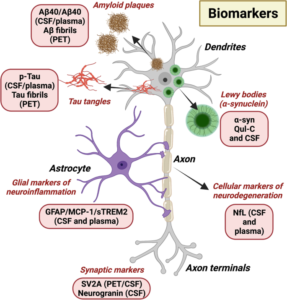
In Alzheimer’s disease, amyloid-beta plaques and tau tangles disrupt neural communication.
-
In Parkinson’s disease, clumps of alpha-synuclein proteins (called Lewy bodies) damage dopamine-producing neurons.
-
In ALS, faulty RNA processing and toxic protein accumulation lead to motor neuron death.
Other major mechanisms include:
-
Mitochondrial dysfunction: Neurons require a high amount of energy. When mitochondria fail, neurons lose power and die.
-
Oxidative stress: An imbalance between free radicals and antioxidants causes damage to DNA, proteins, and lipids.
-
Neuroinflammation: Overactive microglia (immune cells in the brain) can lead to chronic inflammation, harming healthy brain tissue.
Genetic and Environmental Influences
While many neurodegenerative conditions have a genetic component, such as mutations in APP, SNCA, or HTT genes, environmental factors also play a significant role. Pesticide exposure, head trauma, poor diet, and a sedentary lifestyle can increase the risk of developing these disorders.
The Future of Neurodegenerative Disease Research
Breakthroughs in molecular neurodegeneration research are paving the way for innovative treatments. Scientists are exploring gene therapy, RNA-based therapies, monoclonal antibodies, and CRISPR gene editing to target disease-causing mutations and pathological proteins.
Early detection tools, such as advanced neuroimaging and fluid biomarkers, are also improving diagnosis and monitoring, allowing for earlier and more effective interventions.
Journal Metrics
Metrics can change by reporting year. Verify time-sensitive values with the publisher or indexing service.
Aims & Scope
Molecular neurodegeneration is an evolving field that delves into the intricate molecular mechanisms driving the progressive loss of neurons in the brain and spinal cord. It forms the foundation of our understanding of major neurodegenerative diseases such as Alzheimer’s disease, Parkinson’s disease, Huntington’s disease, and Amyotrophic Lateral Sclerosis (ALS). As these conditions continue to rise in prevalence due to aging populations worldwide, the scope of molecular neurodegeneration research becomes increasingly vital.
What is Molecular Neurodegeneration?
Molecular neurodegeneration examines how changes at the molecular level—such as genetic mutations, protein aggregation, oxidative damage, and mitochondrial dysfunction—lead to the degeneration of neurons. These processes often begin years before clinical symptoms appear, making early molecular research critical for prevention and treatment.
The primary aim is to understand how neurons become damaged or die and to identify the molecular targets that can be used to develop therapies for slowing or stopping disease progression.
Expanding Scope in Disease Understanding
One of the most significant areas where molecular neurodegeneration has impact is in unraveling the pathophysiology of brain diseases. The accumulation of misfolded proteins—such as amyloid-beta, tau, and alpha-synuclein—has been closely studied. These toxic proteins impair cell communication and lead to synaptic loss and neuronal death.
This field also explores the role of genetics and epigenetics. Mutations in genes like APP, PSEN1, LRRK2, and HTT have been linked to various forms of inherited neurodegenerative diseases. Understanding these mutations helps researchers develop gene-based diagnostics and targeted therapies.
Interdisciplinary Research Opportunities
The scope of molecular neurodegeneration extends across various scientific disciplines, including molecular biology, genetics, biochemistry, pharmacology, and bioinformatics. This interdisciplinary nature allows for a holistic approach to studying brain diseases, facilitating the development of innovative treatments.
For example, advances in neuroimaging and biomarker discovery are being used to detect molecular changes in the brain before symptoms arise. These technologies provide valuable tools for early diagnosis, patient monitoring, and evaluating therapeutic responses.
Drug Discovery and Therapeutics
One of the most promising aspects of this field is its role in drug discovery. By understanding the molecular basis of neurodegeneration, researchers can identify specific targets for drug development. Current research is exploring:
-
Monoclonal antibodies to clear misfolded proteins.
-
Gene therapies to correct or silence faulty genes.
-
Small molecule drugs to enhance mitochondrial function and reduce oxidative stress.
-
Anti-inflammatory agents to mitigate neuroinflammation.
Personalized medicine is also emerging as a result of molecular insights, enabling tailored treatments based on an individual’s genetic profile and disease biomarkers.
Global Health and Future Prospects
The scope of molecular neurodegeneration extends beyond the laboratory. It has direct implications for public health policy, aging research, and neurological care strategies. As researchers continue to explore this field, the potential to develop preventative strategies, early intervention tools, and curative therapies becomes more attainable.
Recent Research Articles
Latest publications matched automatically by ISSN.
The YTHDF proteins modulate Alzheimer’s disease-associated brain gene signatures
Shinya Tasaki, Denis R. Avey, Nicola A. Kearns, Chunjiang Yu et al.
2026-09-05 · DOI: 10.1186/s13024-026-00986-6Inflammasomes: central mediators of neuroinflammatory neurodegeneration in Alzheimer’s and Parkinson’s disease
Clémence Tropis, Janna Jernigan Posey, Malú Gámez Tansey, Michael T. Heneka et al.
2026-09-05 · DOI: 10.1186/s13024-026-00991-9Lipid-driven membrane remodeling engages a lysosome-dependent adaptive repair program during retinal aging
Emily Tom, Fangyuan Gao, Carolina N. Franco, Adrian Wong et al.
2026-08-29 · DOI: 10.1186/s13024-026-00990-wGFAP upregulation by astrocytes attenuates tau neurofibrillary tangle pathology in a mouse model of tauopathy
Clara Muñoz-Castro, Molly A. Healey, Ayush Noori, Methasit Jaisa-aad et al.
2026-08-25 · DOI: 10.1186/s13024-026-00988-4Iron dysregulation: implications for pathology in multiple sclerosis
Dorsa Moezzi, Rianne Gorter, Atefeh Rayatpour, Rui Li et al.
2026-08-24 · DOI: 10.1186/s13024-026-00989-3Neurobiological correlates of longitudinal grey matter volume changes in preclinical Alzheimer’s disease
Wiesje Pelkmans, Raffaele Cacciaglia, Michalis Kassinopoulos, Oriol Grau-Rivera et al.
2026-08-21 · DOI: 10.1186/s13024-026-00987-5Advancing a systems-level understanding of neurodegeneration: the BrightFocus Alzheimer’s disease research portfolio
Sharyn L. Rossi, Diane E. Bovenkamp
2026-08-21 · DOI: 10.1186/s13024-026-00984-8Disentangling the role of adaptive immunity in Alzheimer’s disease
Marco Zattoni, Ludwig Aigner
2026-08-13 · DOI: 10.1186/s13024-026-00985-7Astrocyte lipid metabolism in brain health and neurodegeneration: from regulatory hub to maladaptive stressor
Weihua Wang, Huajun Pan, Yashi Mi, Juvie Farol et al.
2026-08-01 · DOI: 10.1186/s13024-026-00981-xDeciphering the metabolome in Alzheimer’s disease
Xiaoli Yang, Yong Shen
2026-07-31 · DOI: 10.1186/s13024-026-00982-wParkinson’s disease LRRK2 mutations dysregulate iron homeostasis and promote oxidative stress and ferroptosis in human neurons and astrocytes
Adamantios Mamais, Richard D. Batchelor, Aravindraja Chairmandurai, Thomas B. Ladd et al.
2026-07-24 · DOI: 10.1186/s13024-026-00979-5A randomized, placebo-controlled, double blind Phase 1 trial of the Aβ vaccine, AV-1959R, in non-clinically impaired participants: prelude for secondary preventive therapy in preclinical AD
Armine Hovakimyan, Hovhannes Madoyan, Zahra Najarzadeh, Garri Chilingaryan et al.
2026-07-22 · DOI: 10.1186/s13024-026-00980-yAQP4-dependent enhancement of glymphatic function attenuates tau pathology and neurodegeneration in PS19 mice
Kaoru Yamada, Kazuhisa Ishida, Asami Sakamoto, Hitoshi Shimada et al.
2026-07-18 · DOI: 10.1186/s13024-026-00977-7Diabetic retinopathy: shaped by the “hidden hand” of post-translational modifications
Ruihan Xiao, Meixia Zhang
2026-07-17 · DOI: 10.1186/s13024-026-00973-xThe complex lipidome as a driver of tissue-specific pathology in adrenoleukodystrophy
Stephan Kemp, Marc Engelen, Yorrick R. J. Jaspers
2026-07-17 · DOI: 10.1186/s13024-026-00975-9Transplantation of human iPSC-derived microglia ameliorates neuropathology and circuit dysfunction in progranulin-deficient mice
Hayk Davtyan, Sarah Naguib, Yuliya Voskobiynyk, Jean Paul Chadarevian et al.
2026-07-16 · DOI: 10.1186/s13024-026-00978-6Passive amyloid-β immunotherapy in Alzheimer’s disease: a multicellular clearance system beyond plaque removal
Xiaoni Zhan, Chenchen Liu, Changjiang Yu, Nils Lindblom et al.
2026-07-16 · DOI: 10.1186/s13024-026-00972-yAtypical chemokine receptor 3 regulates synaptic removal in disease astrocytes
V. Giusti, J. Park, E. Giusto, L. Masatti et al.
2026-07-15 · DOI: 10.1186/s13024-026-00976-8Breaking the glial loop: astrocytic PAD2 and citrullinated vimentin drive microglial dysfunction in Alzheimer’s disease
Jeff Y. L. Lam, Guojun Bu
2026-07-13 · DOI: 10.1186/s13024-026-00974-wUnderstanding the genetic imperfections of Lewy body dementia
Molly M. Watkins, Gisela Xhafkollari, Na Zhao, Owen A. Ross et al.
2026-07-08 · DOI: 10.1186/s13024-026-00961-1Reviews
Community Reviews
Version History
April 22, 2025 at 5:11 am
April 22, 2025