Academic Journal
Q1Ophthalmology
About Ophthalmology
Ophthalmology is a scholarly journal published by Elsevier Inc.. SCImago 2025 places it in Q1 with an SJR of 3.884 and an H-index of 309.
Its listed coverage is 1958, 1978-2026 and its research categories include Ophthalmology (Q1). The 2025 dataset reports 377 documents and 4539 citations across the latest three-year reporting window.
Understanding Ophthalmology: A Comprehensive Guide to Eye Health
Ophthalmology is a specialized branch of medicine that focuses on the diagnosis, treatment, and prevention of eye disorders and diseases. Ophthalmologists are medical doctors (MDs or DOs) who are trained to manage both medical and surgical aspects of eye care, making them uniquely qualified to handle complex eye conditions and preserve vision.
What is Ophthalmology?
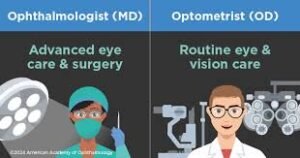
Ophthalmology encompasses everything related to eye health, including vision correction, eye disease diagnosis, surgical procedures, and routine eye examinations. Unlike optometrists or opticians, ophthalmologists are trained to perform eye surgeries and treat serious eye conditions like glaucoma, cataracts, macular degeneration, and diabetic retinopathy.
Common Eye Conditions Treated by Ophthalmologists
Ophthalmologists play a vital role in treating a wide range of eye conditions, such as:
-
Cataracts: A common condition where the eye’s lens becomes cloudy, often due to aging. Cataract surgery is one of the most frequently performed procedures in ophthalmology.
-
Glaucoma: A group of diseases that damage the optic nerve, often associated with high intraocular pressure. Early diagnosis is key to preventing vision loss.
-
Macular Degeneration: A leading cause of vision loss in people over 50, particularly affecting central vision.
-
Diabetic Retinopathy: An eye complication from diabetes that can lead to blindness if not managed properly.
-
Refractive Errors: Including myopia (nearsightedness), hyperopia (farsightedness), and astigmatism. These are often corrected with glasses, contact lenses, or LASIK surgery.
Importance of Regular Eye Exams
Routine eye examinations are crucial for maintaining good vision and overall eye health. Early detection of issues can prevent serious complications. Ophthalmologists use advanced diagnostic tools such as optical coherence tomography (OCT), fundus photography, and visual field testing to assess eye health and detect early signs of disease.
Surgical and Non-Surgical Treatments
Ophthalmology offers both surgical and non-surgical treatment options. Surgical treatments include LASIK, cataract extraction, retinal repair, and corneal transplants. Non-surgical approaches may involve prescription medications, eye drops, and lifestyle modifications to manage chronic conditions.
Pediatric and Geriatric Ophthalmology
Eye care needs vary throughout life. Pediatric ophthalmology addresses childhood eye disorders such as lazy eye (amblyopia), strabismus (crossed eyes), and congenital cataracts. Geriatric ophthalmology focuses on age-related conditions, ensuring elderly patients maintain their independence and quality of life.
Why Choose a Board-Certified Ophthalmologist?
Choosing a board-certified ophthalmologist ensures that the doctor has undergone rigorous education and training, passed certification exams, and stays current with medical advancements. Whether you're seeking routine eye care or advanced surgical procedures, a certified ophthalmologist offers trusted, expert care.
Journal Metrics
Metrics can change by reporting year. Verify time-sensitive values with the publisher or indexing service.
Aims & Scope
Scope of Ophthalmology: A Bright Future in Eye Care
Ophthalmology, the branch of medicine that deals with the diagnosis, treatment, and prevention of eye diseases, has emerged as a highly specialized and rewarding career path. With increasing awareness of eye health, rising cases of vision-related disorders, and rapid technological advancements, the scope of ophthalmology has expanded significantly across the globe.
What is Ophthalmology?
Ophthalmology is a medical specialty focusing on the anatomy, physiology, and diseases of the eye. Ophthalmologists are medical doctors (MDs) or Doctors of Osteopathy (DOs) trained to perform eye exams, diagnose and treat eye conditions, prescribe medications, and conduct eye surgeries. This field plays a crucial role in maintaining and restoring vision, making it a vital component of modern healthcare.
Growing Demand for Eye Care Services
The demand for ophthalmologists is steadily increasing due to factors like an aging population, a rise in lifestyle-related eye conditions such as diabetic retinopathy and glaucoma, and greater screen time leading to digital eye strain. According to global health statistics, millions suffer from preventable blindness or visual impairment, highlighting the essential need for eye care professionals.
Career Opportunities in Ophthalmology
A career in ophthalmology offers a diverse range of opportunities. Professionals can choose to work in hospitals, private clinics, academic institutions, or research centers. Many ophthalmologists also specialize in subspecialties such as:
-
Cornea and External Disease
-
Glaucoma
-
Retina and Vitreous
-
Pediatric Ophthalmology
-
Neuro-Ophthalmology
-
Oculoplastics and Reconstructive Surgery
These subspecialties allow practitioners to delve deeper into specific areas, enhancing their skills and increasing their professional value.
Technological Advancements and Innovation
The field of ophthalmology has seen groundbreaking innovations such as LASIK surgery, robotic-assisted procedures, retinal implants, and AI-based diagnostic tools. These advancements not only improve patient outcomes but also make the profession exciting and future-forward.
With telemedicine gaining traction, ophthalmologists can now offer consultations and basic eye screenings remotely, increasing accessibility to underserved regions.
Global Opportunities
Ophthalmologists are in high demand not just in developed countries but also in developing regions where access to eye care is limited. International organizations and NGOs often seek qualified professionals for eye camps and global health initiatives, opening up avenues for travel and humanitarian work.
Education and Training
To become an ophthalmologist, one must complete a medical degree followed by a residency in ophthalmology. Many also pursue fellowships to specialize further. While the journey is rigorous, it is equally rewarding—both intellectually and financially.
Recent Research Articles
Latest publications matched automatically by ISSN.
Reviews
Community Reviews
Version History
April 21, 2025 at 8:15 am
April 21, 2025