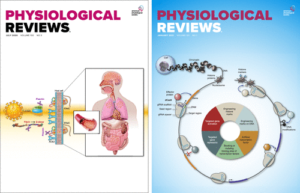
Academic Journal
Q1Physiological Reviews
About Physiological Reviews
Physiological Reviews is a scholarly journal published by American Physiological Society. SCImago 2025 places it in Q1 with an SJR of 11.493 and an H-index of 417.
Its listed coverage is 1945-2026 and its research categories include Medicine (miscellaneous) (Q1); Molecular Biology (Q1); Physiology (Q1); Physiology (medical) (Q1). The 2025 dataset reports 45 documents and 4473 citations across the latest three-year reporting window.
Physiological Reviews is a highly respected, peer-reviewed journal that provides in-depth and authoritative articles on key topics in physiology. Published by the American Physiological Society (APS), this journal is widely recognized as a premier resource for researchers, educators, and medical professionals worldwide. Its extensive coverage of physiological concepts makes it an essential read for those interested in the latest advancements in medical and biological sciences.
Why Physiological Reviews Stands Out Physiological Reviews is renowned for its comprehensive and well-researched review articles that summarize and analyze the most significant discoveries in physiology. Unlike many other scientific journals that focus on new experimental results, this journal provides a broader perspective by integrating past and present research, making it a valuable reference for both seasoned researchers and newcomers to the field. Key Features of Physiological Reviews- High Impact Factor – Physiological Reviews consistently ranks among the top scientific journals in the field of physiology, reflecting its influence and credibility in the scientific community.
- Authoritative Content – Each article is written by leading experts and undergoes rigorous peer review, ensuring high-quality and reliable information.
- Wide-Ranging Topics – The journal covers various aspects of physiology, including cardiovascular, respiratory, endocrine, neurological, and molecular physiology.
- Comprehensive Analysis – Articles provide an in-depth exploration of physiological mechanisms, offering critical insights into human and animal biology.
- Open Access Options – While primarily subscription-based, some articles are available as open access, expanding accessibility to researchers worldwide.
- Medical Researchers – Gain insights into the latest developments and foundational concepts in physiology.
- Educators & Students – Use review articles as educational tools for understanding complex physiological processes.
- Healthcare Professionals – Stay informed about physiological mechanisms relevant to disease treatment and management.
- Biotechnology & Pharmaceutical Industry Professionals – Leverage insights for drug discovery and biomedical innovation.
Journal Metrics
Metrics can change by reporting year. Verify time-sensitive values with the publisher or indexing service.
Aims & Scope
Physiological Reviews is a highly regarded scientific journal that publishes comprehensive review articles covering all aspects of physiology. As a top-tier publication in the biomedical sciences, it plays a crucial role in advancing knowledge, integrating research findings, and setting new directions for future studies. This article explores the scope of Physiological Reviews, highlighting its significance, areas of focus, and impact on scientific progress.
Comprehensive Coverage of Physiology Physiological Reviews covers a wide range of physiological topics, from molecular mechanisms to whole-body systems. The journal emphasizes:- Cellular and Molecular Physiology: Examining cell signaling, ion channels, gene expression, and biochemical pathways.
- Neuroscience and Neurophysiology: Understanding brain functions, neural networks, and neurodegenerative diseases.
- Cardiovascular Physiology: Investigating heart functions, blood circulation, and vascular biology.
- Endocrinology and Metabolism: Exploring hormone functions, metabolic disorders, and homeostasis.
- Respiratory and Renal Physiology: Studying lung function, oxygen transport, kidney function, and electrolyte balance.
- Exercise and Sports Physiology: Addressing muscle function, endurance, and adaptations to physical activity.
- Bridging Knowledge Gaps: It synthesizes existing research, providing in-depth insights into physiological mechanisms.
- Guiding Future Research: Authors analyze current trends and propose new directions for scientific exploration.
- Supporting Medical Advancements: Many articles have direct implications for disease prevention, diagnosis, and treatment.
- Enhancing Education: Medical students and professionals use its content for academic and clinical learning.
- Advancing Biomedical Research: It provides foundational knowledge that supports drug discovery and therapeutic innovations.
- Improving Healthcare Practices: Insights from review articles translate into better clinical strategies and patient care.
- Interdisciplinary Collaboration: The journal fosters connections between physiology, pharmacology, genetics, and biotechnology.
Recent Research Articles
Latest publications matched automatically by ISSN.
Reviews
Community Reviews
Version History
April 14, 2025 at 12:09 pm
March 24, 2025