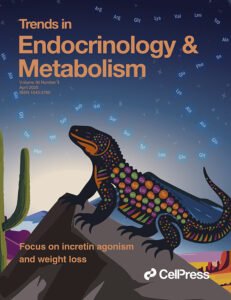
Academic Journal
Q1Trends in Endocrinology and Metabolism
About Trends in Endocrinology and Metabolism
Trends in Endocrinology and Metabolism is a scholarly journal published by Elsevier Inc.. SCImago 2025 places it in Q1 with an SJR of 4.543 and an H-index of 215.
Its listed coverage is 1989-2026 and its research categories include Endocrinology (Q1); Endocrinology, Diabetes and Metabolism (Q1). The 2025 dataset reports 153 documents and 3878 citations across the latest three-year reporting window.
The field of endocrinology and metabolism is evolving rapidly, driven by advances in technology, a better understanding of hormonal functions, and a global rise in metabolic disorders. From diabetes management innovations to breakthroughs in hormone replacement therapy, the trends in endocrinology and metabolism are shaping the future of healthcare.
1. Personalized Medicine in Endocrinology
One of the most significant trends is the rise of personalized medicine. Thanks to genetic testing and AI-driven data analysis, treatments for conditions like thyroid disorders, diabetes, and adrenal insufficiencies are becoming more tailored to individual patient profiles. This approach enhances treatment outcomes and reduces side effects, making it a game-changer in endocrine therapy.
2. Continuous Glucose Monitoring (CGM) and AI Integration
In diabetes care, continuous glucose monitoring (CGM) systems have revolutionized how patients and doctors manage blood sugar levels. The integration of artificial intelligence (AI) with CGM devices allows for predictive analytics, helping patients prevent hypoglycemia or hyperglycemia in real-time. This trend is expected to dominate endocrinology in 2025 and beyond.
3. Advancements in Hormone Replacement Therapy (HRT)
Hormone replacement therapy, particularly for menopause and andropause, is being refined with bioidentical hormones and safer delivery methods. Transdermal patches, slow-release pellets, and plant-derived hormones are gaining popularity due to fewer side effects and increased effectiveness. This trend reflects a more holistic and patient-centered approach in hormone management.
4. Obesity and Metabolic Syndrome Treatments
As obesity continues to be a global health challenge, newer treatments focusing on the gut-brain axis, microbiome modulation, and GLP-1 receptor agonists like semaglutide are gaining traction. These medications not only aid weight loss but also improve insulin sensitivity and cardiovascular health, addressing metabolic syndrome comprehensively.
5. Telemedicine and Remote Endocrine Care
The pandemic accelerated the adoption of telemedicine, and its role in endocrinology is only expanding. Patients with chronic endocrine conditions can now consult specialists from home, monitor their progress via apps, and receive prescriptions electronically. This trend improves accessibility and continuity of care for patients in remote or underserved areas.
6. Gut Microbiome and Metabolic Health
Emerging research highlights the gut microbiome’s influence on metabolic disorders. Scientists are exploring how gut bacteria impact insulin resistance, obesity, and even thyroid function. Probiotics, prebiotics, and dietary interventions targeting the microbiome are becoming key tools in metabolic health management.
7. Focus on Pediatric and Adolescent Endocrinology
Early onset of type 2 diabetes, obesity, and hormonal imbalances in children has prompted a rise in pediatric endocrinology services. More research and treatment protocols are being developed to tackle these issues from a young age, preventing long-term health complications.
Journal Metrics
Metrics can change by reporting year. Verify time-sensitive values with the publisher or indexing service.
Aims & Scope
Endocrinology and metabolism are rapidly evolving fields of medical science that focus on the body’s hormone systems and metabolic functions. These areas are crucial for understanding conditions such as diabetes, thyroid disorders, obesity, osteoporosis, adrenal diseases, and hormonal imbalances. As lifestyle-related diseases continue to rise globally, the scope of endocrinology and metabolism is expanding, offering new insights, innovative treatments, and preventive strategies.
Broadening Scope of Endocrinology and Metabolism
Endocrinology now encompasses a wide array of subfields beyond traditional hormone-related disorders. These include reproductive endocrinology, pediatric endocrinology, and neuroendocrinology. Researchers and clinicians are also exploring the endocrine aspects of cancer, cardiovascular health, and mental health, illustrating the interdisciplinary nature of this field.
Metabolism, closely tied to endocrinology, is another area seeing explosive growth. With the global increase in metabolic disorders such as obesity and type 2 diabetes, there is a growing emphasis on understanding how hormones affect metabolism and how lifestyle interventions, such as diet and exercise, can impact metabolic health.
Top Trends Driving the Future of Endocrinology and Metabolism
-
Precision Medicine and Personalized Treatment
Genetic testing and biomarker research are paving the way for individualized treatment plans. In diabetes management, for example, continuous glucose monitoring and AI-powered insulin pumps are transforming patient care. -
Artificial Intelligence and Machine Learning
AI is increasingly being used to diagnose endocrine disorders early, analyze hormonal patterns, and predict patient outcomes. Algorithms can now analyze thousands of patient records to detect early signs of metabolic syndrome or thyroid dysfunction. -
Integration of Telemedicine
Virtual consultations have become a staple in managing chronic endocrine conditions. Patients with diabetes, thyroid disorders, or hormonal imbalances can now receive regular follow-ups and medication adjustments from the comfort of their homes. -
Hormone Replacement and Bioidentical Hormones
There is growing demand for safer and more effective hormone replacement therapies, especially in managing menopause, andropause, and hypothyroidism. Bioidentical hormones, which mimic the body's natural hormones, are gaining popularity. -
Gut Microbiome and Endocrine Health
Recent studies highlight the role of the gut microbiome in regulating hormones and metabolism. Probiotics, prebiotics, and gut-focused diets are being explored as complementary treatments for endocrine disorders. -
Nutritional Endocrinology
There is a rising awareness of how nutrition affects hormonal balance. From ketogenic diets for insulin resistance to plant-based diets for PCOS, food is now being treated as a form of hormonal therapy.
Recent Research Articles
Latest publications matched automatically by ISSN.
MetALD at the crossroads of metabolic and alcohol-related liver disease
Gustavo Ayares, Luis Antonio Díaz, Juan Pablo Arab, Marco Arrese et al.
2026-09 · DOI: 10.1016/j.tem.2026.01.008Estradiol
Sara Della Torre
2026-09 · DOI: 10.1016/j.tem.2026.03.008Regulation of skeletal muscle mitochondrial fuel utilization during exercise
Likun Yang, Tingting Fu, Hao Yu, Yujing Yin et al.
2026-09 · DOI: 10.1016/j.tem.2026.01.014Advisory Board and Contents
2026-09 · DOI: 10.1016/s1043-2760(26)00224-9Subscription and Copyright Information
2026-09 · DOI: 10.1016/s1043-2760(26)00227-4Targeting mitochondrial metabolism with combined metabolic activators
Hong Yang, Xiangtai Kong, Xinmeng Liao, Hasan Turkez et al.
2026-09 · DOI: 10.1016/j.tem.2026.01.018Inborn errors of redox metabolism: an emerging nosology
Philip T. Drell, Lea-Sophie Berendes, Julien Park
2026-09 · DOI: 10.1016/j.tem.2026.05.005Decoding growth hormone actions on human growth plate stem cells
Shion Orikasa, Noriaki Ono
2026-09 · DOI: 10.1016/j.tem.2026.05.007Lamin A/C in health, laminopathies, and familial partial lipodystrophy 2
Jessica N. Maung, Elif A. Oral, Ormond A. MacDougald
2026-09 · DOI: 10.1016/j.tem.2026.01.010Brown adipose tissue and beyond: lipolysis and glycerolipid cycling in thermogenesis
Dominique Langin, André C. Carpentier
2026-09 · DOI: 10.1016/j.tem.2026.01.009Exercise timing and circadian regulation of metabolism in type 2 diabetes
Signe Schmidt Kjølner Hansen, Juleen R. Zierath, Harriet Wallberg-Henriksson
2026-09 · DOI: 10.1016/j.tem.2026.01.015A multistakeholder call for belzutifan biomarker data in advanced pheochromocytoma and paraganglioma
Rodrigo A. Toledo, Carlota Arenillas, Patricia L.M. Dahia, Judith Favier et al.
2026-09 · DOI: 10.1016/j.tem.2026.06.007Exploring cell types and their dynamic states in adipose tissue
Hahn Nahmgoong, Jae Bum Kim
2026-08 · DOI: 10.1016/j.tem.2026.01.012Exercise metabolism: MoTrPAC-ing the liver in endurance exercise
Yuxin Cao, Runchao Zhou, Zhihui Zhang, Min-Dian Li et al.
2026-08 · DOI: 10.1016/j.tem.2026.07.014Mitochondria as central regulators of cancer progression and antitumor immunity
Aurora Gomez-Duran, Inmaculada Martínez-Reyes
2026-08 · DOI: 10.1016/j.tem.2026.07.005Palmitic and oleic acids in type 2 diabetes mellitus
Xavier Palomer, Ricardo Rodríguez-Calvo, Marta Tajes, Walter Wahli et al.
2026-08 · DOI: 10.1016/j.tem.2026.01.003Glucocorticoids
Zhengzhang Guo, Sulayman A. Lyons, Jacqueline L. Beaudry
2026-08 · DOI: 10.1016/j.tem.2026.07.013Improving incretin-mediated body weight loss via energy expenditure
Andrew J. Elmendorf, Jonathan D. Douros, Patrick J. Knerr, Jonathan N. Flak et al.
2026-08 · DOI: 10.1016/j.tem.2025.12.004A fuel partitioning perspective on appetite suppression by GLP-1 receptor agonists
Mark I. Friedman, Jens Lund
2026-08 · DOI: 10.1016/j.tem.2026.03.013Nordic track: NIH dysfunction and my Helsinki recruitment
Charles Brenner
2026-08 · DOI: 10.1016/j.tem.2026.06.003Reviews
Community Reviews
Version History
April 23, 2025 at 11:09 am
April 23, 2025